
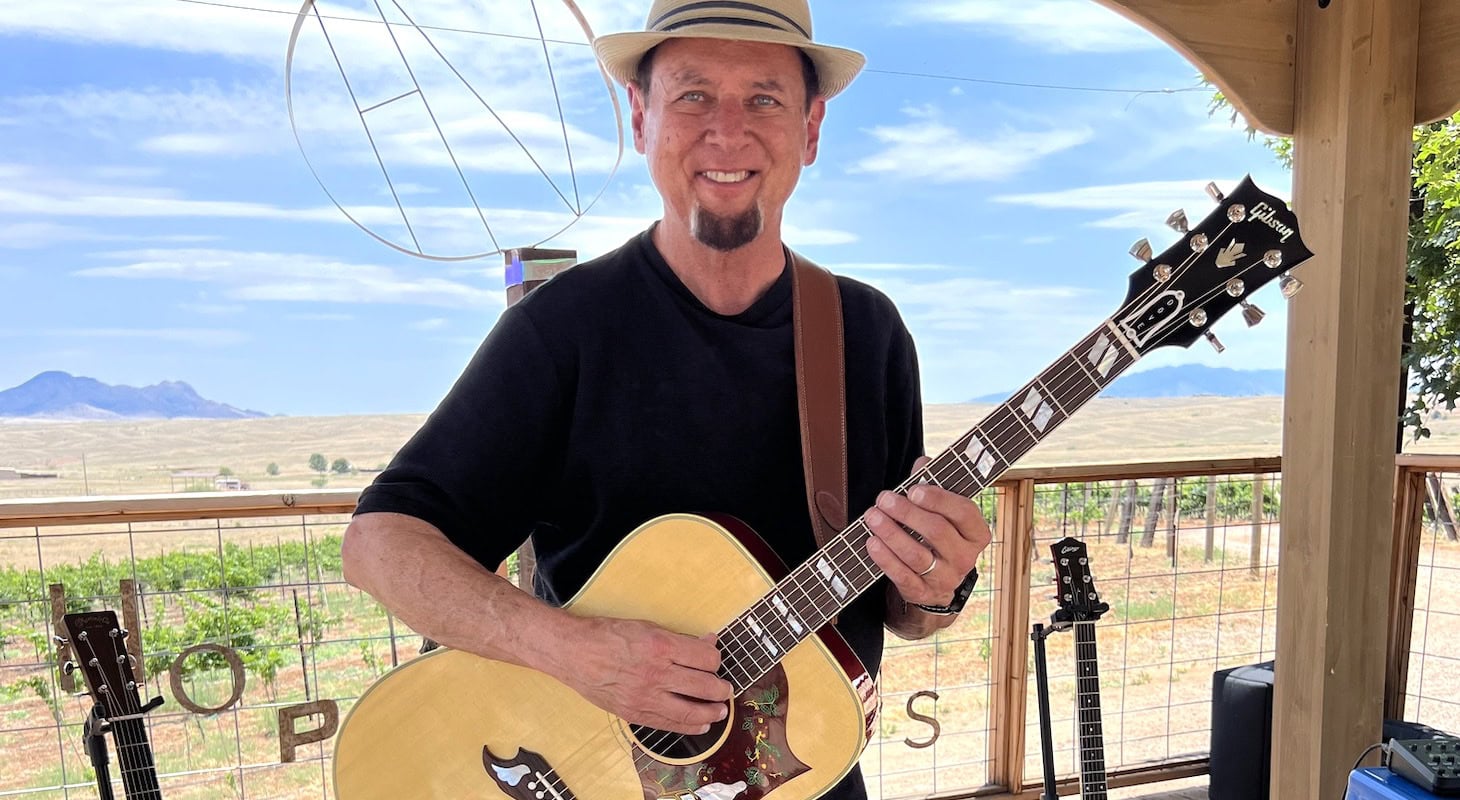
As an acoustic guitar player and a performing singer-songwriter, I’ve seen myself involved in more problems than I can recall. I came out from those pitfalls as a wiser man and I want to share that knowledge with you.
Follow this survival guide and make your way in the acoustic world avoiding all those rookie (and not-so-rookie) mistakes I made starting out.
Table of Contents
1. The Type of Guitar and the Tone Come First
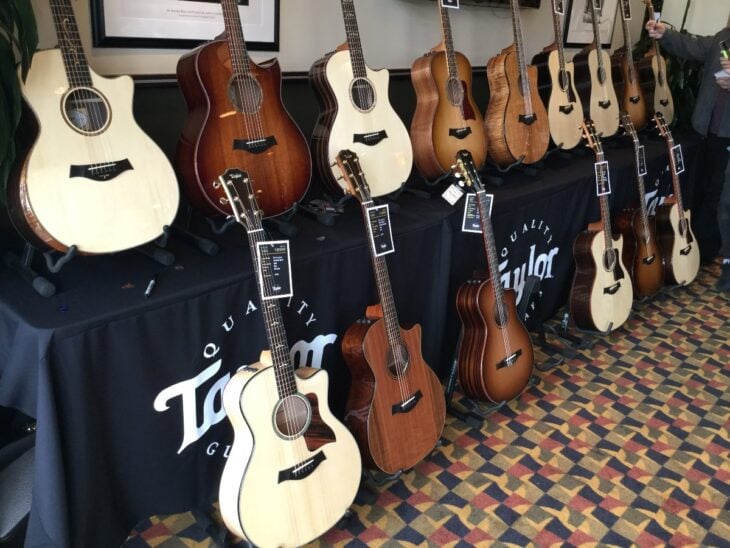
The first thing I need to write here is that you need a proper acoustic guitar if you’re gigging. I mean, I’ve seen players go on stage plugging an Epiphone Les Paul to a Boss Acoustic Simulator pedal (more about them) and strumming songs with a cowboy hat on. That’s not what I call an acoustic show (and they shouldn’t either).
But, what kind of an acoustic tone are you after? In case you haven’t made the purchase, let me give you three basic guidelines so you can channel your taste toward the right instrument.
- For singer-songwriters who want that big, full acoustic sound behind them as they strum some chords and sing on top, the dreadnought, jumbo, or orchestra-size guitar is the best choice.
- Players who prefer something mellower that goes better with fingerpicking will find a 000 or an auditorium-sized guitar the perfect choice. They have more midrange and will better convey the nuances of your playing.
- For those who play slide or want something smaller to travel around effortlessly, a guitar with a 3/4, 00, or parlor size will be the best.
Bear in mind that these three options will give you different tones and playing experiences. Therefore, you should choose the best tone/playability/price balance within each category.
My Recommendation? Get an EQ pedal!
PRO TIP 1: Let me give you the first insider tip. This is one I wish I was given when I was starting out. Get an EQ pedal so you can fine-tune the sound of your instrument and enhance the frequencies you like getting rid of those you don’t like. A simple EQ pedal has saved my life countless times.
2. Playing Plugged or Unplugged?
After you have the guitar, or even before you do, you need to ask yourself if you are going to play plugged or unplugged. This is a major difference.
The unplugged gig demands a guitar with the biggest box possible because that will be your only volume source. I’ve played gigs in which I had to sound louder than people having meals without any amplification and it can be difficult.
PRO TIP 2: In this scenario, dreadnought and jumbo guitars are best. Also, play with a pick and try working your dynamics with picking styles rather than volume changes.
The plugged-in gigs present a different problem: feedback. Yes, when you amplify the sound of an acoustic instrument with a hollow body full of air and static, what you get is feedback noises that can be a low, menacing rumble, or a high-pitch squeal. In any case, it’s a nightmare.
PRO TIP 3: For plugged-in gigs, my suggestion is an inexpensive rubber cover for your guitar’s soundhole. This will work wonders against the feedback issue and won’t change the sound of the guitar coming out of the PA speakers (it changes the acoustic sound, of course).
Don’t Drill a Hole in your Favorite Guitar!
Oh my, this is a huge one I’ve seen fail many times. For example, a friend of mine drilled out an entire piece of his entry-level Martin to install a huge Fishman preamp system. The guitar ended up being a great instrument for live shows but it stopped being a studio-worthy acoustic because he killed some of the resonance out of it.
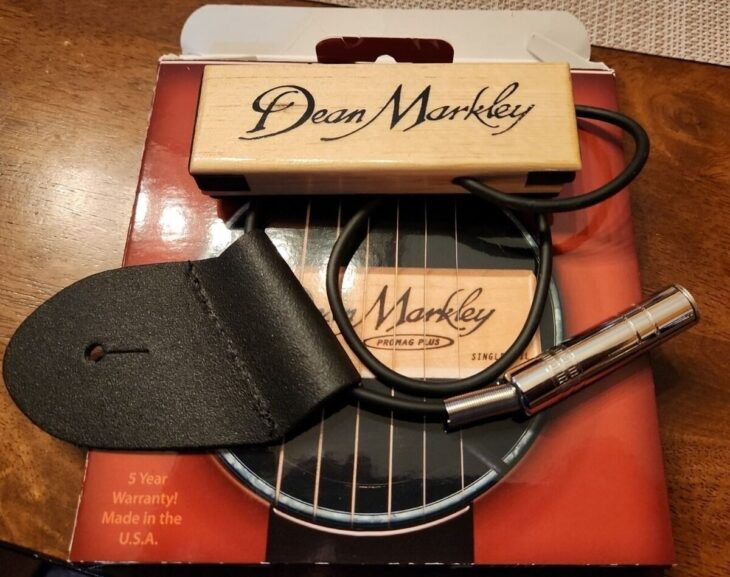
So, if you do both things with your favorite acoustic, don’t drill a hole in it. On the contrary, use one of those soundhole pickups you can just remove when you’re not using it. There are many examples from the LR Baggs M1 to Seymour Duncan’s Woody or Dean Markley’s ProMag.
3. An Acoustic Pedalboard. Yes, An Acoustic Pedalboard!
The days of arriving at the venue with only the guitar in a gig bag and a cable are long gone. Let me tell you that the acoustic guitar niche has grown incommensurably big in the past few years.
Much of that growth was in the shape of pedals. Plus, I think that music these days is more and more processed, therefore, you need to play tones that are, at least, a little processed.
Let me recommend my favorites.
- Reverb – Reverb just makes everything better. Yes, reverb is an effect that can often be found in real-life environments. Moreover, it’s inspired by real life. Having one and leaving it on the entire gig will allow you to give an epic, bigger, and more nuanced feel to your sound and playing.
- Delay – What delay does is very simple; it samples your signal and repeats it after you’ve played it. A simple, short delay or echo will give your playing another layer of complexity, and some texture to work with.
- Compressor – When playing clean and loud, you need a compressor. Yes, it does, in a way, the opposite of adding some gain to the signal; it boosts volume without adding dirt. It might take away some of the dynamics, but it’s a winner in the long run, believe me.
- Chorus – Chorus is close to what a 12-string guitar can do, it adds another line of your same guitar tone but slightly detuned. It’s very useful to create some momentum and a sense of motion in music.
Power Supply & Pedalboard
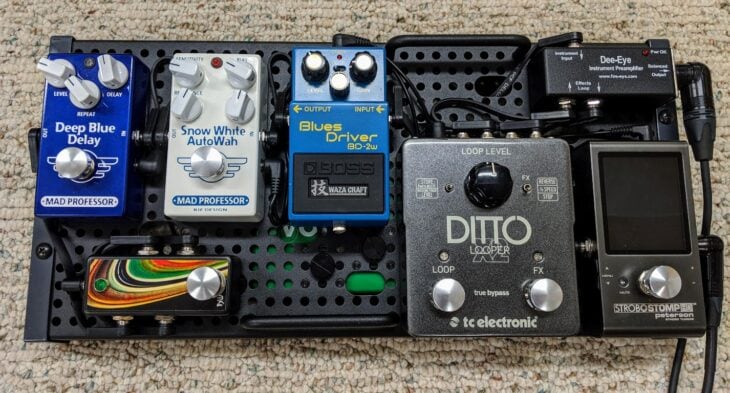
PRO TIP 4: Having all your pedals around and putting together the signal chain every time you play is not the best way to go. Believe me, once I got a pedal out of my backpack and a knob was completely gone, knocked out on the train trip to the venue.
To avoid that and accelerate your soundcheck, velcro them to a platform (there are millions online) so you can have your pedals ready in a second.
Also, use a good power supply that can isolate noise and be ready in a second too.
The Most Important Pedal in Guitar History
PRO TIP 5: Before we move on, let me tell you that the best guitar pedal ever invented is the tuner. This is non-negotiable. By all means, even if you have a clip tuner, get one in a pedal and silent-tune your guitar throughout the show.
4. Do I Need a Preamp?
Another huge category that’s grown a lot is that of preamps. Yes, you can have an external preamp in the shape of a pedal that goes outside your guitar and usually on your feet.
These preamps allow you to shape the sound to your liking before going to the PA system. They might even include a tuner and all the effects pedals we talked about above solving all your needs in a single powerhouse.
Plus, your preamp pedal can also send the signal through a balanced XLR output avoiding signal loss on your way to the mixing console.
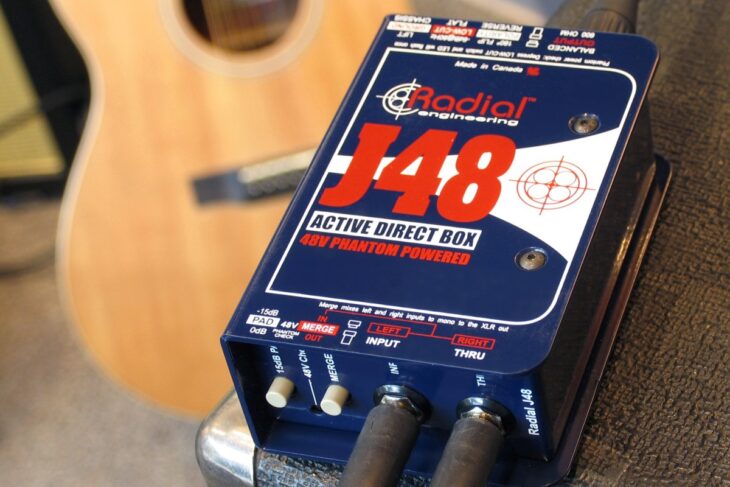
PRO TIP 6: Bringing a DI box to your gig is a good idea. I have played venues where the PA’s mixer is all the way across the room and the signal degradation was huge. Also, sometimes soundmen working at these places might not have a DI box for you.
5. Do I Need an Amp?
This is a question I get a lot from students and colleagues who are just starting with acoustic gigs (even being accomplished electric guitar players). My answer to them is no, you don’t need an amp. Investing in a good acoustic pickup and, perhaps, going from a good preamp to the mixing console is enough.
That said, if you like the idea of having an amp because you’re slightly old-school, then my suggestion is to get one with a tweeter to get full advantage of the guitar’s high-end.
6. Protect Your Investment
When going out to play, you need to protect your investment. In other words, protect your guitar from getting smashed, cracked, broken, or torn apart by screaming fans, angry promoters, colleagues, or a zombie invasion.
Gig Bag/Hardshell Case
Acoustic guitars are way more fragile than solid-body electrics. Indeed, if you happen to bump the body of a dreadnought against the dressing room’s door, you might crack it. That’s what I call a modern-day tragedy.
So, if you’re playing out a lot, only have one acoustic guitar, and have the budget, my suggestion is to get a hardshell case or one of those MONO super-rugged gig bags. Otherwise, just get the one with the most padding you can to protect your instrument.
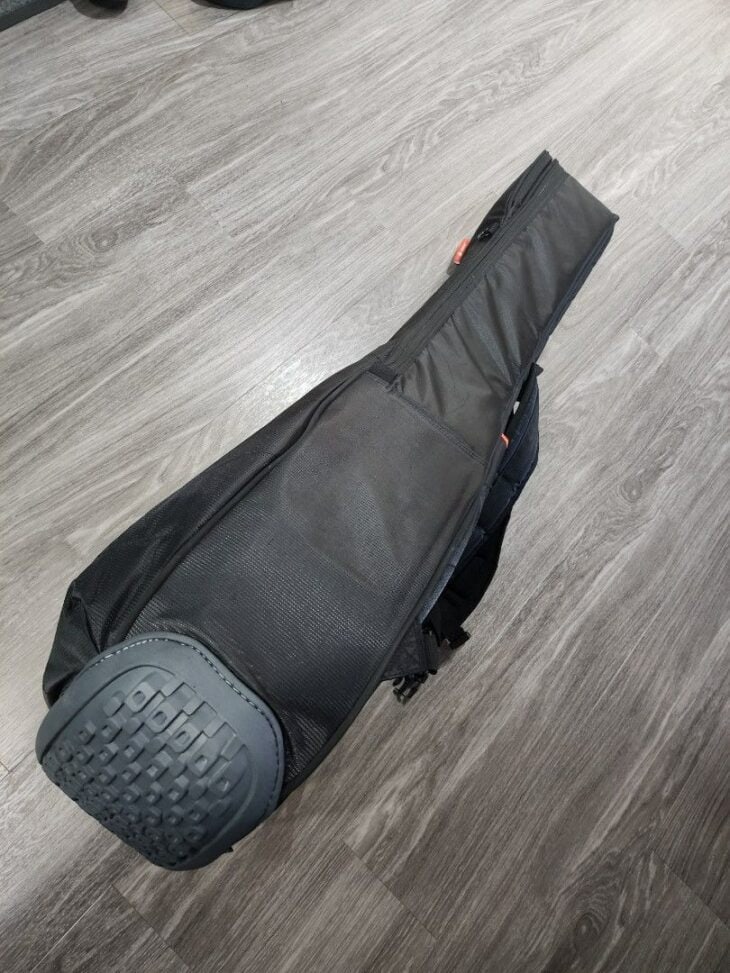
Oh, and if you’re a big star playing overseas, get a flight case to protect your guitar.
Guitar Stand
This is a huge no-brainer. If you’re on stage with your guitar and put it down between songs or want that super cool look of having the guitar “waiting for you” on stage, you need a good guitar stand. Believe me, leaving your guitar against the wall for a few minutes can have a disastrous ending.
7. Cables, Strings, and Accessories
Now, this is a category most people overlook. Let me give you some advice on the little things.
- You need to have a pair of long good-working guitar cables. These are a must for your survival in the acoustic guitar jungle. Also, if you’re playing with pedals, you need the cables to go between each pedal.
- You need to take some backup strings to the gig for obvious reasons. Furthermore, if you can take a couple of spares of the high E, B, and G strings, then you’ll be more than covered.
- Picks are really important too. You can’t just show up to the gig with the one pick you carry in your jeans’ small pocket. You need to have at least three of them and, ideally, a pick holder.
PRO TIP 7: I use the pick holder velcroed to my pedalboard. That way, I can always lean down and get a fresh pick if I lose mine.
Backups Too!
Having spare cables is a must. I can’t begin to tell you how many cables worked just fine in rehearsals and even soundcheck and decided to go dead on me just before (or during) the show. Bring at least an extra of every cable you need. For in-between pedal cables, make that two or three.
Finally, if you power the whole thing with a power supply, bring an extra transformer with a daisy chain, just in case.
The Final Challenge, Can You Carry All That?
To wrap this up, let me tell you that the survival guide needs to include a special mention of carrying all the stuff to the venue.
If you move by car or private transportation, you have a little more freedom when packing because you can carry more stuff in a single trip. If you’re traveling to the venue by public transportation, on the other hand, bear in mind you need to be able to carry it all by yourself safely and comfortably.
In this last scenario, I suggest you get proper bags for everything and bring the extras in your favorite backpack. Remember, if you forget anything in the subway, you might not see it again, so keep it tidy, concise, and safe.
Happy (acoustic) playing!
