
What if I told you there was a relatively inexpensive bit of gear that instantly makes anyone sound like a better guitar player? I’d head straight to Sweetwater and buy one on the spot.
While no such bit of gear exists (yet), the closest I’ve ever experienced is the magic of a great acoustic DI/preamp. It doesn’t actually make me a better guitar player. I still have to practice.
What a great preamp does accomplish, however, is some serious tonal polishing to even out the peaks and troughs inherent to amplified acoustic guitar performance. It’s like hair conditioner, but for tone: it brings out the best in what’s already there.
Top 3 - DI Boxes for Acoustic Guitars
Preview | Product | Price |
|---|---|---|
 | ||
 | ||
 |
I play a few solo acoustic gigs every week, and these are my favorite preamps and DIs on the market today.
Best DI Boxes for Acoustic Guitars
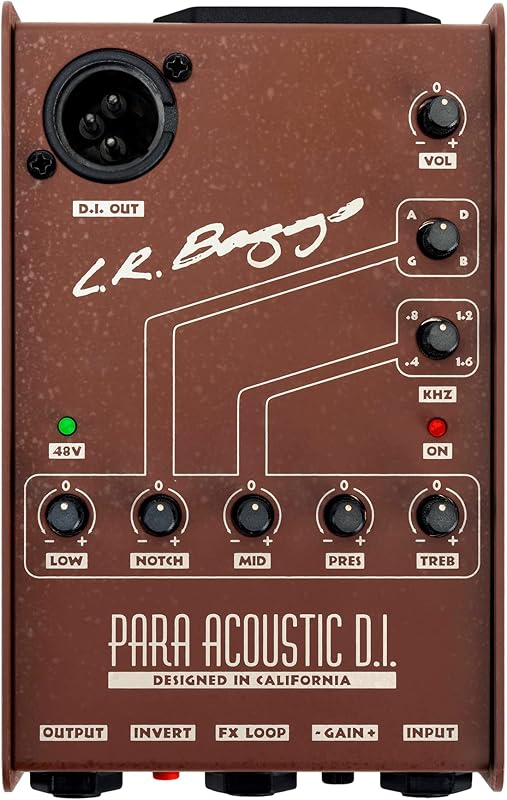
1. LR Baggs Para Acoustic D.I.
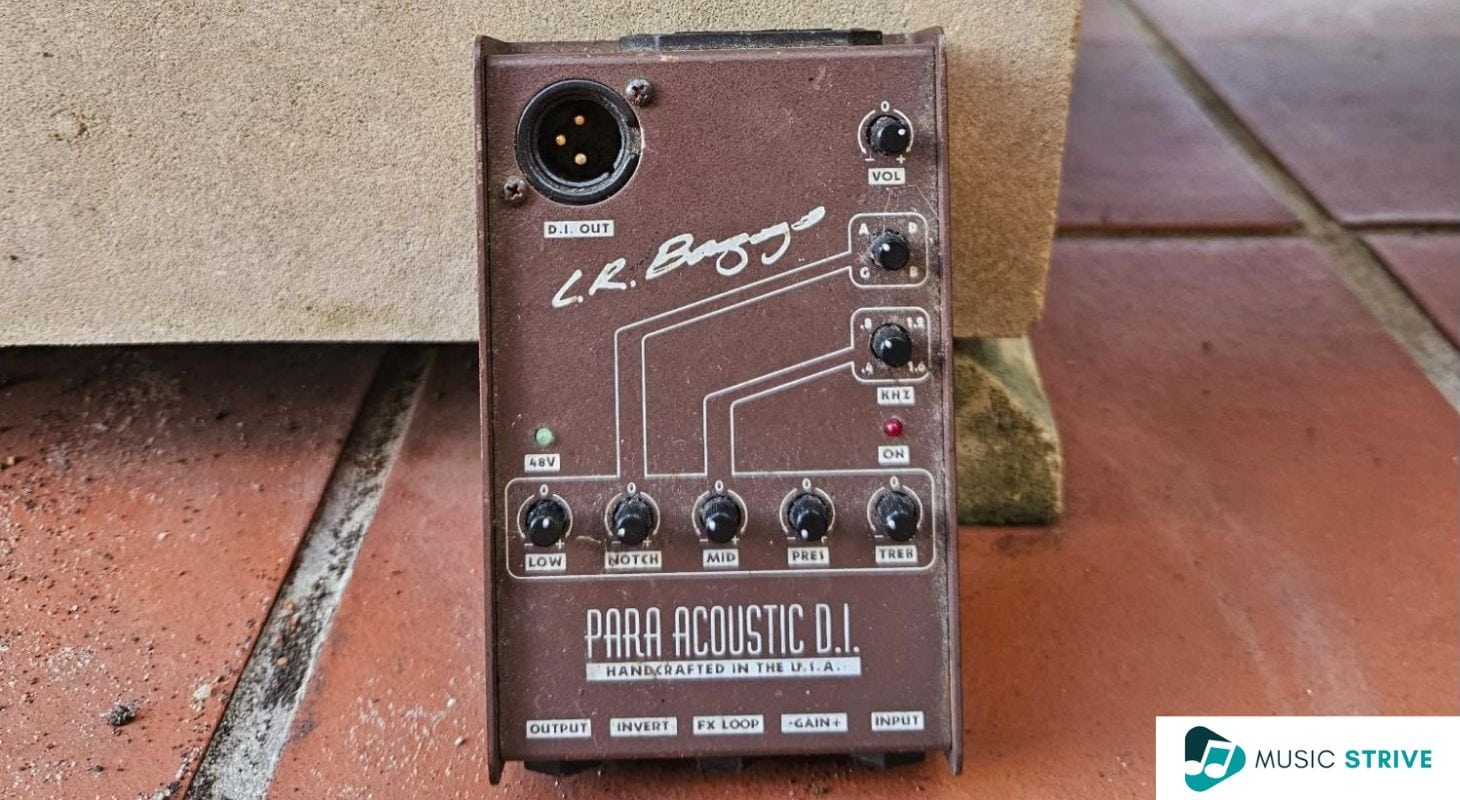
I’ve been using the LR Baggs Para Acoustic as a permanent pedalboard fixture for about four years now.

LR Baggs Para Acoustic DI - Controls
The brief for the Para is simple: it makes my acoustic guitar sound better through pretty much any PA. I play a pretty wide range of shows, and particularly at fly dates I don’t always have access to my own PA. House gear at venues can be inconsistent, so it’s great to have a piece of gear that functions to make sure my guitar sounds as good as possible no matter where I’m playing.
I will concede that, if the application for the Para Acoustic is simple, the operation of this little unit is anything but. It took a full afternoon of twiddling with knobs and consulting the manual to really get the most out of this unit.
The EQ in particular, for seasoned guitar players, feels inconsistent. There are two knobs with cut or boost for midrange, for example, one with kHz values and the other with note values. The other familiarly labeled EQ knobs, that is, “Low” and “Treble,” don’t so much add or remove low or high end as they do enhance the aspects of tone that are felt rather than heard.
The “Low” knob really just adds the familiar warm thud of an unamplified acoustic guitar. The “Treble” knob does this to the other end: it’s not an EQ array as much as it is a “make your tone more pleasant for the listener” array.
However, having mastered the controls, and used this unit two to four nights a week and sometimes more for years now, I can safely say that it may as well be welded to my pedalboard.
The capacity for phantom power conveniently reduces my 9 volt battery budget, and I can eliminate squealing feedback with surgical precision on every PA I’ve tried so far.
An amplified acoustic guitar will never really sound like an unplugged acoustic, but the best my workhorse Takamine has ever sounded is through the LR Baggs.
You can also read my full review of the Para Acoustic DI.

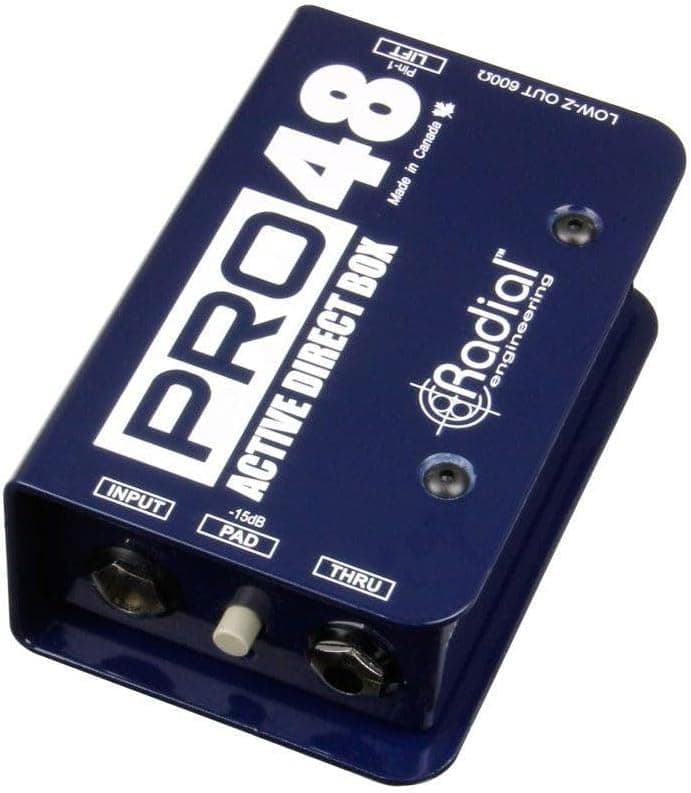
2. Radial Pro48
The Radial Pro 48 is a wonderfully simple setup. I’ve found that it sounds best with the output on my acoustic guitar at lower levels, and I’ve seen it in the case compartment for plenty of other instruments, from mandolin to banjo.
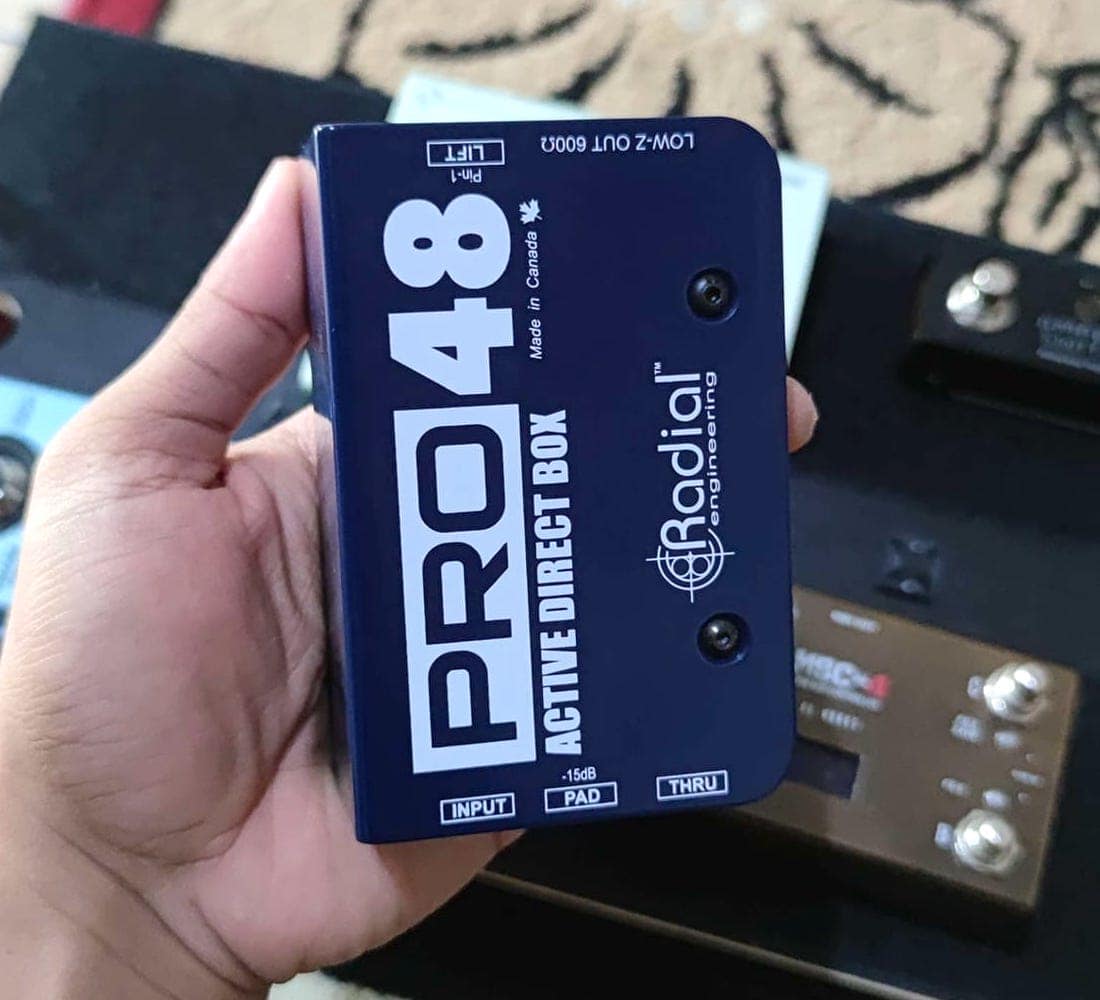
Radial Pro 48
Out of the box, the Radial is reassuringly weighty. It feels well-built despite its diminutive size. It fits happily into the neck compartment of my guitar case, with room in there for my capo, string winder, and guitar picks.
I did notice, however, that with hotter guitar outputs, the Radial can become too loud and spiky. It doesn’t provide much by way of tone conditioning: it’s a simple plug-and-play approach that lets you run your acoustic guitar into a speaker. I had to use my EQ pedal and the onboard controls on my guitar to really shape my acoustic tone going into the Radial.
There are obvious benefits to this approach, chief among them being how reliable this unit is. It just works! No twiddling necessary. The major downside, of course, is that without the ability to “notch” problem frequencies, it’s hard to eliminate feedback, especially when playing at higher volumes. Some rooms just incur feedback more than others, especially harder concrete-walled venues.
To counteract this, the box has a handy -15dB Pad switch to enable me to simply cut back in the event that the guitar is coming out too hot. It’s a relatively blunt instrument to wield in that sense, but it works.
Fortunately, I found the box itself to be relatively quiet, with no noticeable hiss, so I can’t imagine this being a major ongoing issue for anyone.
Overall, an effective, durable, easy to use DI.
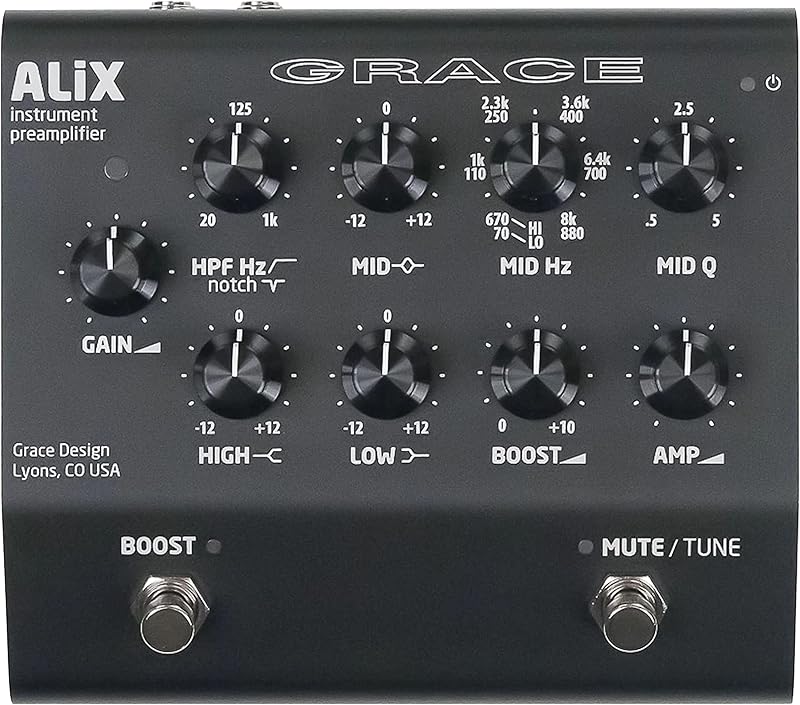
3. Grace Design ALiX
Often, guitar equipment designed for the acoustic guitar reflects this in its aesthetic. Lots of browns and wood tones in the color palette. LR Baggs and Fishman’s range of acoustic effects and units embraces this design philosophy.
The Grace ALiX, on the other hand, adopts an eye-catching retrofuturistic spaceship silver color scheme with no fewer than nine control knobs! It looks like it would be more at home on the Starship Enterprise or a shoegaze guitarist’s board than at my feet in a cafe acoustic gig. It's also available in black which you can see below.
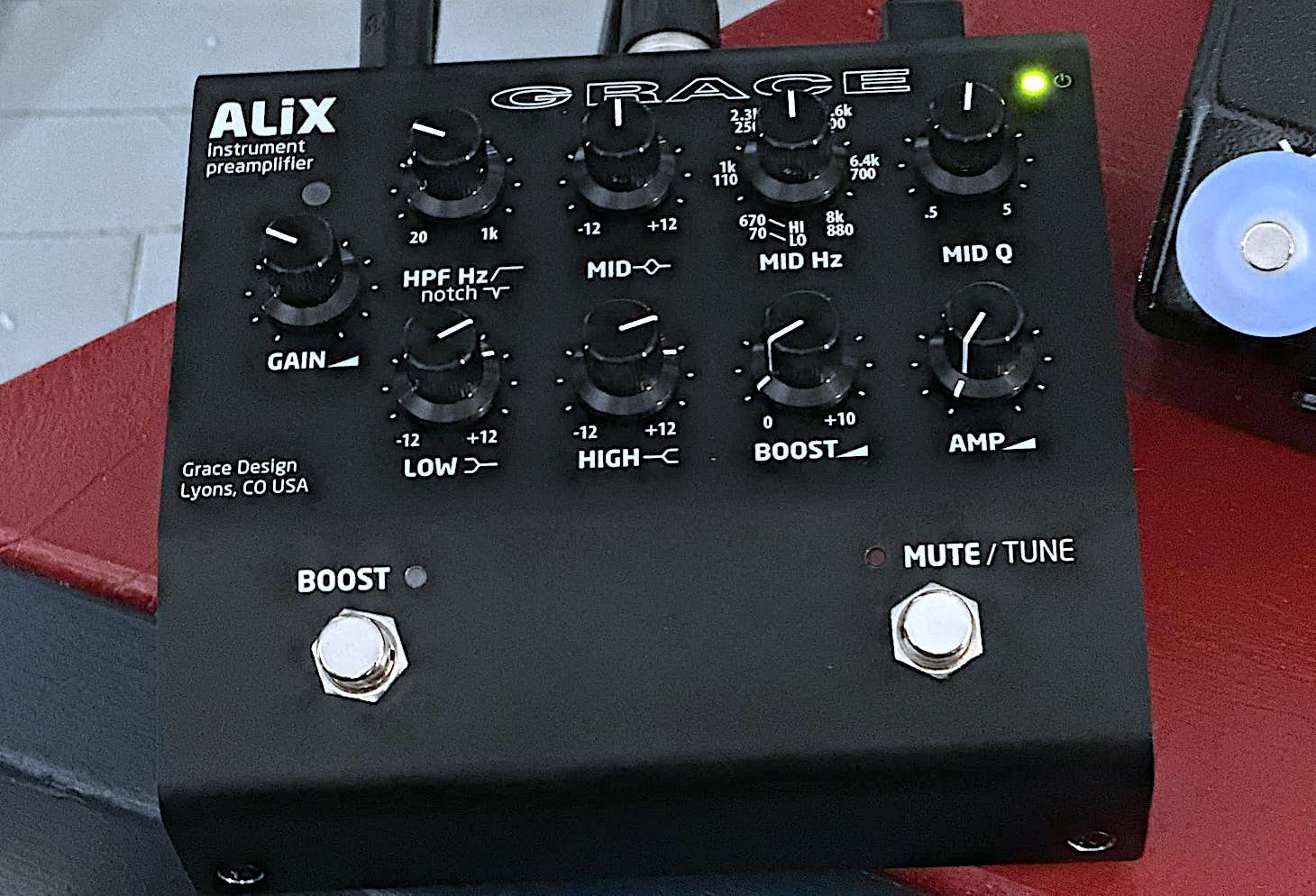
Grace Design ALiX
The reason for this staggering array of controls is that the ALiX is an attempt to offer an amount of tonal control to rival that of a recording studio.
The ALiX is a great preamp first and foremost. The EQ offers more control over more frequencies than I’ve ever seen before. It took quite a while to understand the function of each knob, and I repeatedly consulted the manual to make sure I was doing things properly.
By far the most useful feature of this unit is the variable impedance, which can be switched depending on the output of an acoustic pickup. If I was switching between my Takamine, with a palathetic pickup, and my backup acoustic, which has a combination of piezo and microphone pickups, I could simply adjust the impedance to ensure consistent volume.
The Boost switch was a handy inclusion, too, as I often loop chord sections to solo over. The Boost is a simple, controllable, clean volume boost ideal for retaining tonal clarity without conceding sonic space to the chords in the loop.
The ALiX’s price range puts it firmly in the realm of pro gear aimed at guitarists who will use it consistently for years on end, but for this use case, it’s hard to argue against. It’s an awesome piece of gear.
4. Whirlwind IMP 2
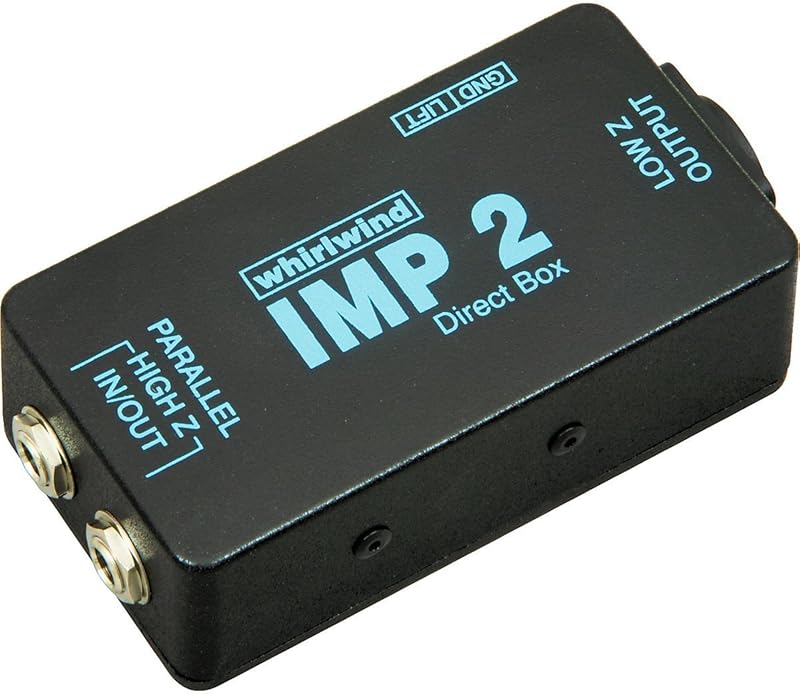
The Whirlwind IMP-2 is one of the most familiar sights in the music business. I’ve seen it on stages all over the world, from my high school music productions in the school gym to dive bars and beyond.
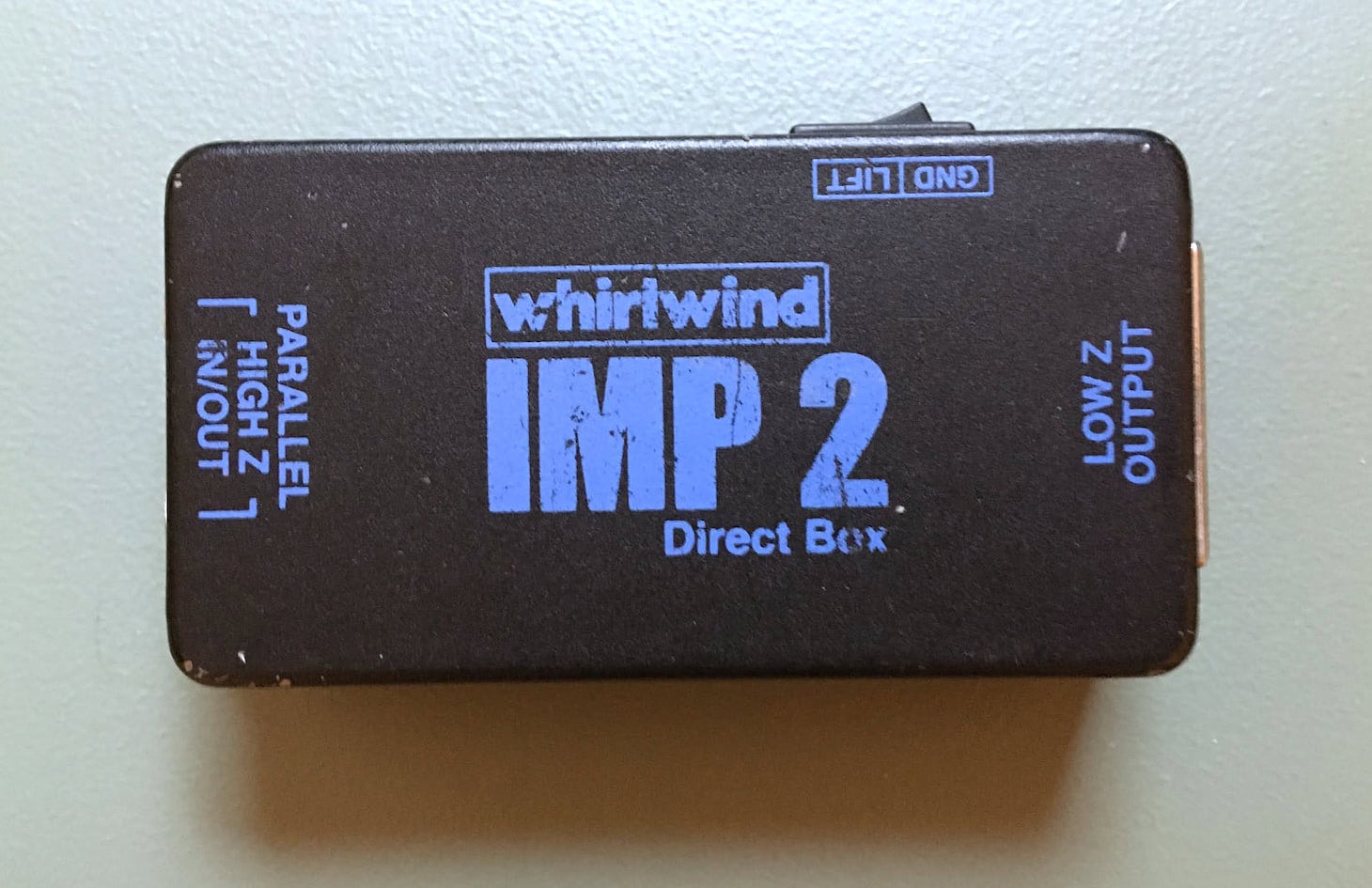
Whirlwind IMP 2 Direct Box
I’d say this ubiquity comes from the devastating one-two punch of the Whirlwind’s price and reliability.
It’s a very simple approach: you plug in at one end, and the IMP-2 turns the unbalanced signal at line or instrument level into a balanced mic level signal. That’s it.
It’s built like a tank. I’d know, I’ve stubbed my toe on one on stage before, back when I used to wear sneakers on stage. I know one sound tech who left an IMP-2 in the back of his terribly insulated trailer for a weeks on end, and it worked just as well when he finally pulled it out as the day it came off the assembly line.
The ground lift also helps reduce a little bit of hiss and hum from the signal, which is never a bad thing.
The sound coming out of this little unit is clear and clean. It doesn’t really condition or shape the tone of an acoustic guitar at all. The closest it comes is evening out the sound somewhat. It’s not quite compressing it, just taming the most extreme peaks and troughs.
I don’t hear it peaking or fizzing out. Honestly, I’d argue that it’s worth picking up an IMP-2 and keeping it in your guitar case as a backup option. At this price point, it’s a tempting proposition!
5. Fishman Aura Spectrum
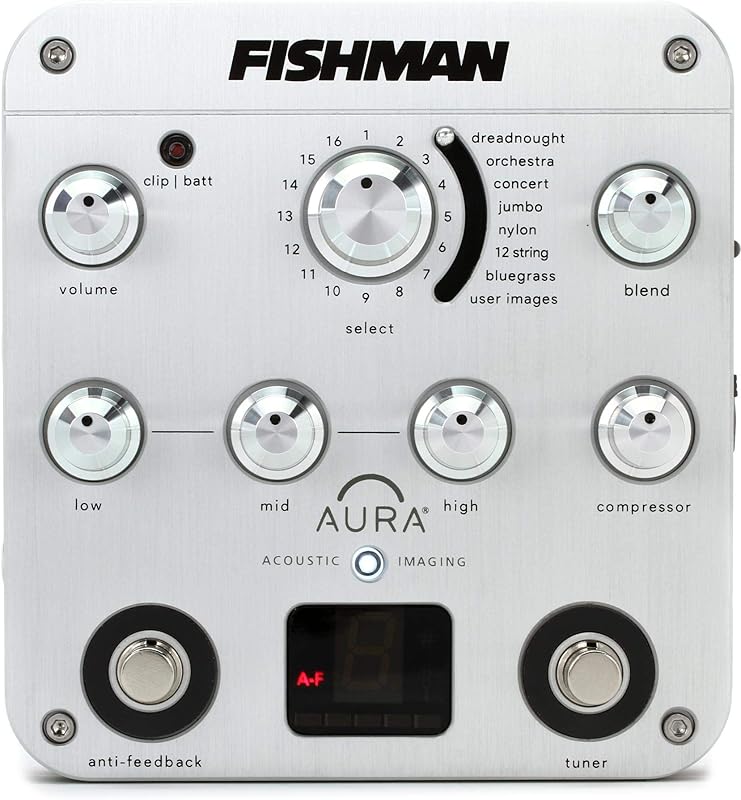
Fishman’s pickups are awesome, and so is their foray into the world of DI, the Aura Spectrum.
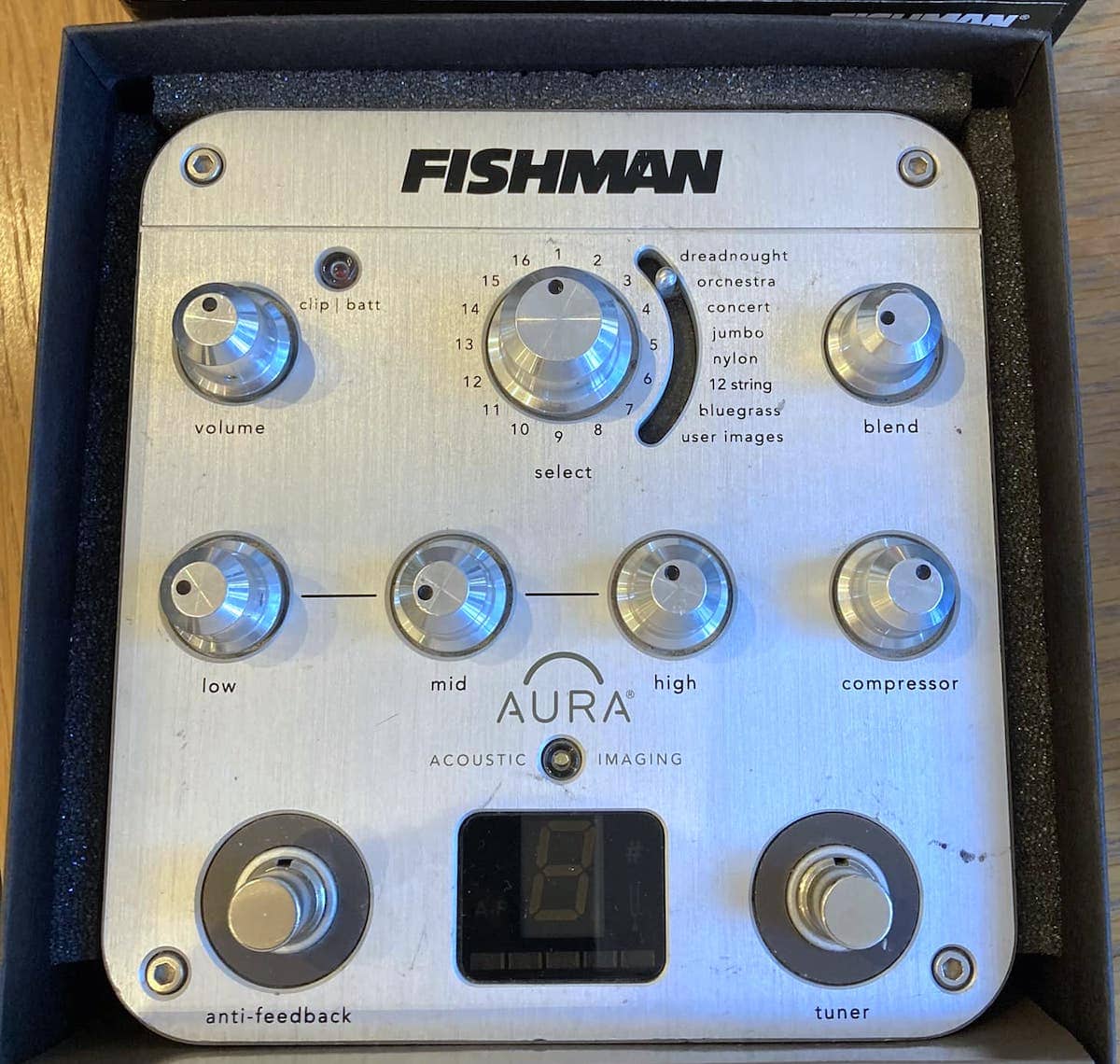
Fishman Aura Spectrum
The notion here is that the Aura Spectrum makes a plugged-in acoustic sound like a mic-ed acoustic. I’ll point out the distinction between an unplugged guitar and a mic-ed guitar: the two sounds are not identical. The microphone sound is more of a crisp-yet-warm studio quality.
In theory, it’s the closest an amplified acoustic guitar tone can be to the sound of an unplugged acoustic guitar.
Three neat built-in features here are the compressor, phase switch, and tuner.
The compressor isn’t a full Red Hot Chili Peppers amount of tonal squash. Instead, it evens out the dynamic response of the guitar. It’s most useful when switching from strumming to fingerpicking or vice versa, ensuring that there’s not too much of a drop in volume between techniques, while retaining the capacity for dynamic range.
I like to use the phase switch as a last-ditch effort to get rid of feedback. Sometimes, notching frequencies and even turning down isn’t enough to eliminate those pesky squealing, whining sounds. Phase switching does fundamentally alter the tone coming out, almost like it inverts the midrange, but it eradicates even the most stubborn feedback.
Sound wise, I was very impressed. I found best results by blending the “Image” sound with that of my guitar’s pickup, sent straight to the mixer from the balanced DI out.
I was really happy to find that I could get excitingly close to some of my favorite acoustic guitar sounds with simple technique adjustments in this mode, easily managing both the delicate sound of Hozier’s “Cherry Wine” and Jason Isbell’s “Bury Me.”
The pedal feels durable under my feet, and it reliably makes my plugged-in acoustic guitar sound much, much better than simply plugging into the PA does.
6. Boss AD-10
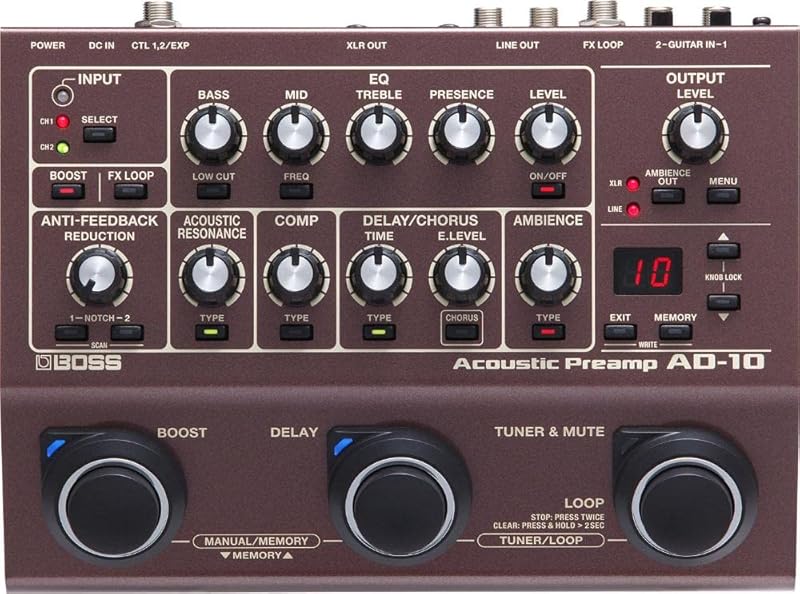
This might be the biggest Boss pedal I’ve ever seen! The AD-10 eschews the familiar Boss pedal footprint in favor of a far larger, and more complex unit. The upside is I can’t imagine bringing an entire pedalboard with this as an option, because it is, for all intents and purposes, a full acoustic pedalboard in one piece of gear.
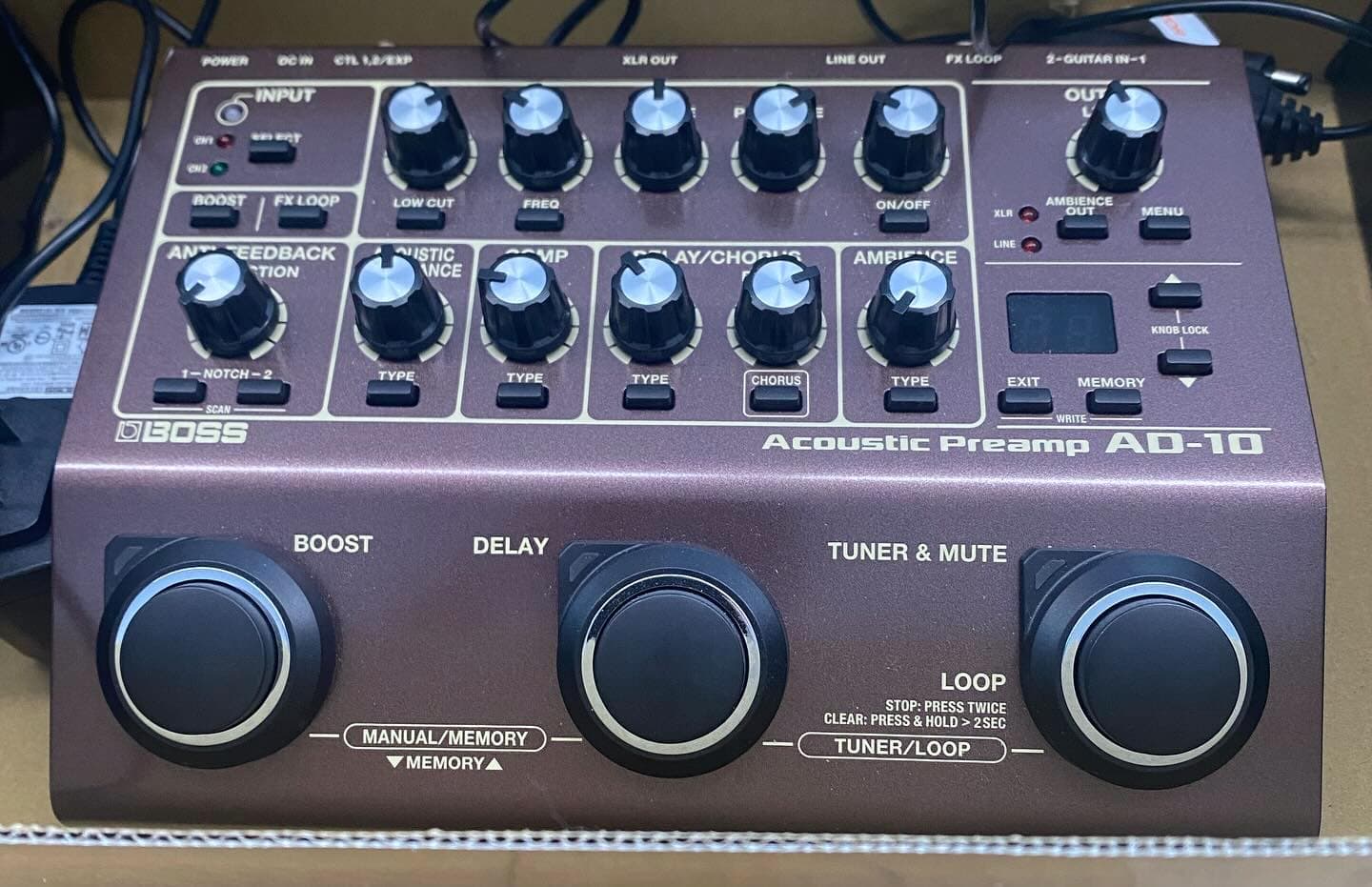
BOSS AD-10
First things first: it’s a Boss pedal, so it’s built to withstand a nuclear blast, and it’s noticeably heavy.
The most useful application here is that the controls are easy to use and understand. It’s very straightforward to use this at soundcheck to get the most out of my acoustic guitar in any room. I’ve tried it in intimate cafes as well as outdoor gigs, and it worked a treat in both scenarios and everywhere in between.
The inbuilt looper circuit reminds me of the rest of Boss’ looping range. It’s pretty bare-bones: for how I like to loop, laying chords down and then soloing over them or adding inversions on top, it’s enough. It won’t allow for the Jedi-level looping and sampling some guitarists prefer, with countless layers and variations.
The built in delay and chorus are similarly basic, but they’re very usable, familiar Boss sounds. You can’t tailor them quite as much as with a dedicated delay or chorus unit, but for subtle, acoustic-friendly application all the way up to “Purple Rain” levels, it’s great.
I strongly prefer the use of knobs and switches to countless menus and LED screens. More time for playing, less time for scrolling, can only be a good thing!
The tone-tailoring on offer here is very good, too. I find that it allows me to consistently deliver approximately the same acoustic tone regardless of what I’m plugging into with minimal twiddling of knobs or fiddling with feedback reduction.
As usual, a slam dunk from Boss, although at this price point I would only recommend this unit to those playing live acoustic guitar before an audience very regularly.
7. Behringer ADI21 V-Tone
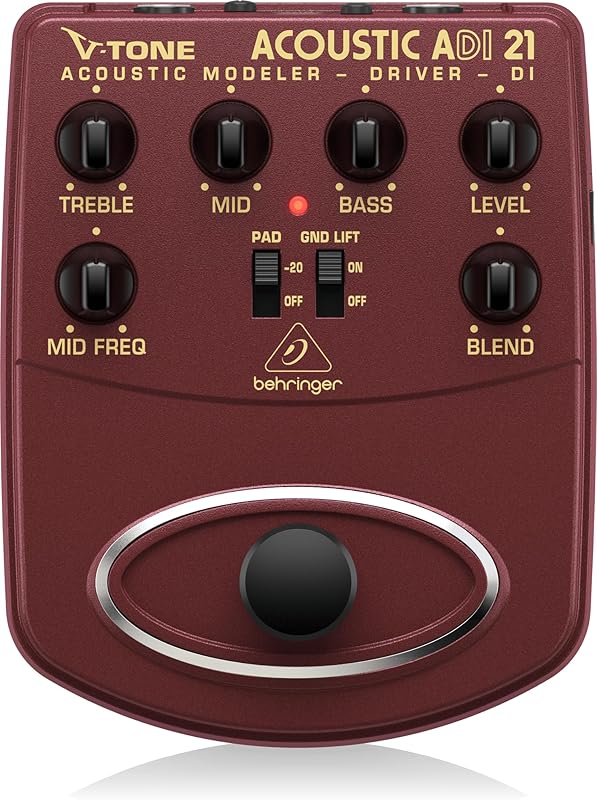
Behringer’s V-Tone might better be described as a “quack quieter.” It works best with a Piezo-equipped guitar, as this unit aims to tame the unpleasant sounds inherent to that pickup system.
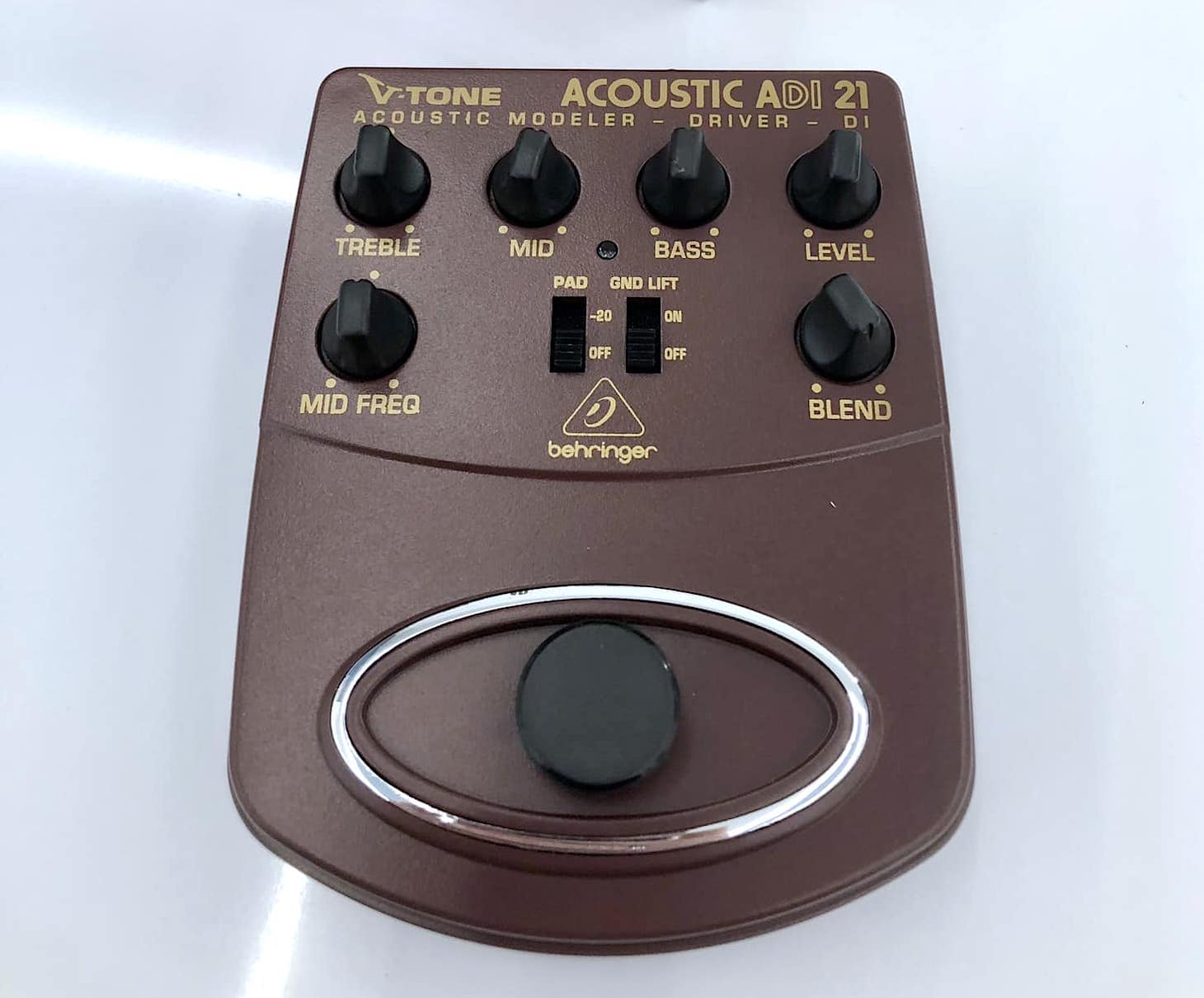
Behringer ADI21 V-Tone
It balances out the fizz and hiss of a Piezo, offering a fuller, richer sound than you’d typically get from that style of pickup.
The modeled tones here aren’t the most convincing I’ve ever heard. It won’t magically turn the sound of $200 guitar into that of a pre-war Martin dreadnought.
However, the modeling sounds on offer here are good enough that, when blended into the signal, they do significantly improve the sound of that $200 guitar.
The main benefit here is the functional elimination of that characteristic Piezo harshness. Some players like that sound. I don’t. I want a warmer, more welcoming acoustic tone, and that’s what the Behringer DI does.
The EQ works well as a feedback reducer, and I was able to effectively notch out any problem frequencies.
As with many DI/preamps of this nature, my favorite feature of this unit is the blend feature. Being able to mix the modeled sound with my guitar’s pickup sound is very useful in ensuring that the resulting tone isn’t overly Piezo-y or digitized.
I found this unit best for playing acoustic guitar in a country ensemble with other instruments. I blended the sound enough that it cut through the mix appropriately, without taking up too much room thanks to the onboard EQ.
I let the banjo player try it out, too, and he was immediately impressed with the ability to highlight the natural sound of the banjo. Perhaps the twang of that instrument complements the sizzle of a Piezo-equipped guitar!
Why DI?
The main problem of amplifying an acoustic guitar is that they sound much better unplugged than plugged in. A well built acoustic guitar is a natural resonance amplifier, but that means that, when plugged in, those lovely harmonic overtones turn into banshee squeals of feedback. Not exactly the chilled-out cafe gig I’m hoping for at solo acoustic shows.
The solution is to use a preamp to eliminate feedback as much as possible while still highlighting key frequencies and sounds of the acoustic guitar.
A bare bones DI box works to balance the output of a guitar and make it more palatable for a mixer.
Adding a preamp enables some tone sculpting and shaping, just as a preamp does for electric guitar. The aim with an acoustic preamp is to preserve the natural character of a well made acoustic guitar, as opposed to that of an electric preamp, which is to fundamentally alter the guitar’s tone and improve it.
I keep a preamp/DI on my acoustic guitar pedalboard at all times, and view it as an indispensable part of my rig. Most acoustic players I know do the same.
DI for the Acoustic Guy (Or Girl)
There are some guitar players who only play truly unplugged: acoustic guitar, no mic, in a tiny room. At best, they’ll allow a condenser mic on stage. I’m not one of them.
For the rest of us, who need to plug our acoustic guitars in for gigs, the DI, preamp, or combination thereof, is the best way to get the most out of a plugged-in acoustic. With the right setup, we can bid goodbye to unwanted feedback, lifeless acoustic tone, and fizzed-out signals.
With great DIs and preamps at every price point, these days, there’s one out there for just about any player, from bedroom enthusiasts to road-hardened gigging pros.
