
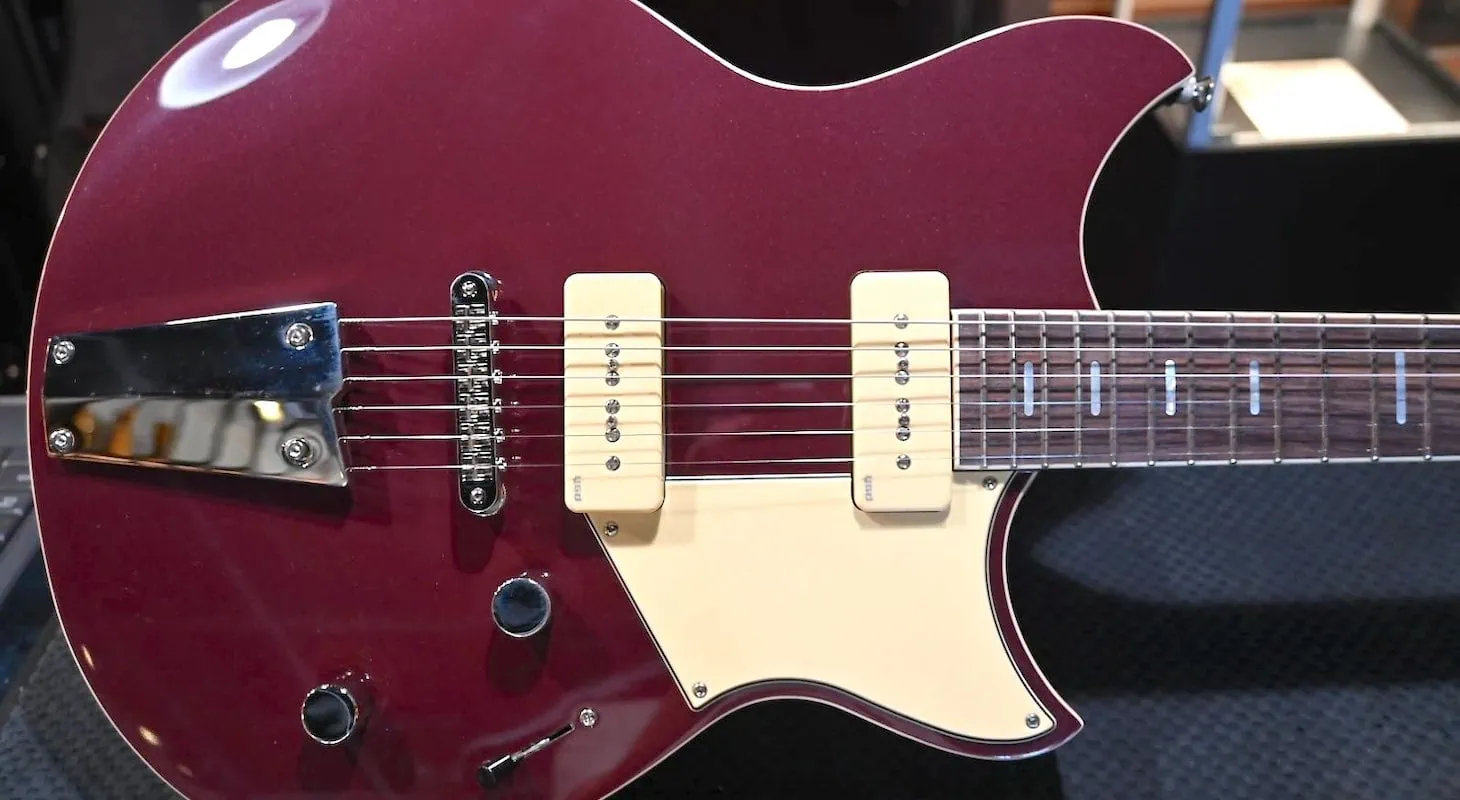
P-90 pickups are one of the best discoveries a modern rock musician can make. They will give you more than you expect and open the door to new, unexplored sonic territory. Plus, you’ve been hearing them your entire life on your favorite records.
Top 3 - P90 Guitars
Preview | Product | Price |
|---|---|---|
 | ||
 | ||
 |
As a confessed P-90 lover (addict, you can say), I hand-picked the best options on the market today for you to dive deep into this wonderful world.
If you’re ready to take this bold step, you should walk the path with one of these guitars in your hands.
Best P90-equipped Guitars for an Unparalleled Bite!
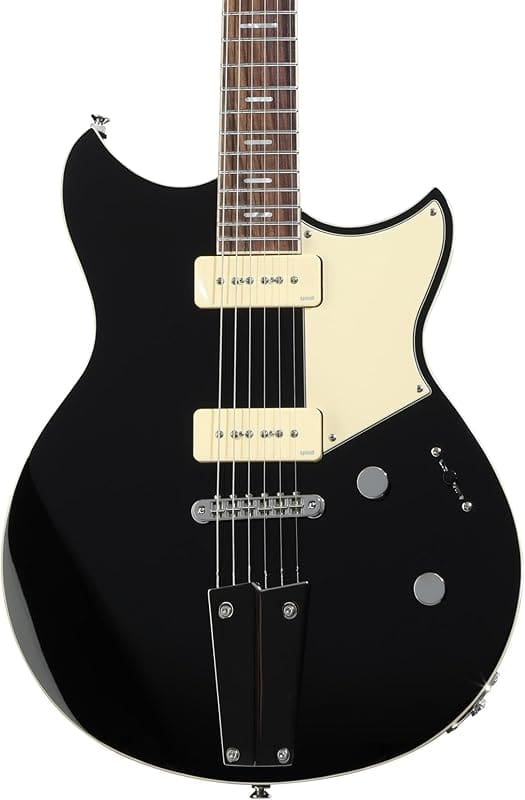
1. Yamaha Revstar Standard RSS02T
I will begin this by saying that there’s no way this is not an active instrument, but it is. There’s no room for a battery, but it offers features you’d only find loading your guitar with active Fishman Fluence pickups. The 5-way switch and the Focus control transform this into a full-color palette, condensed into a single instrument.
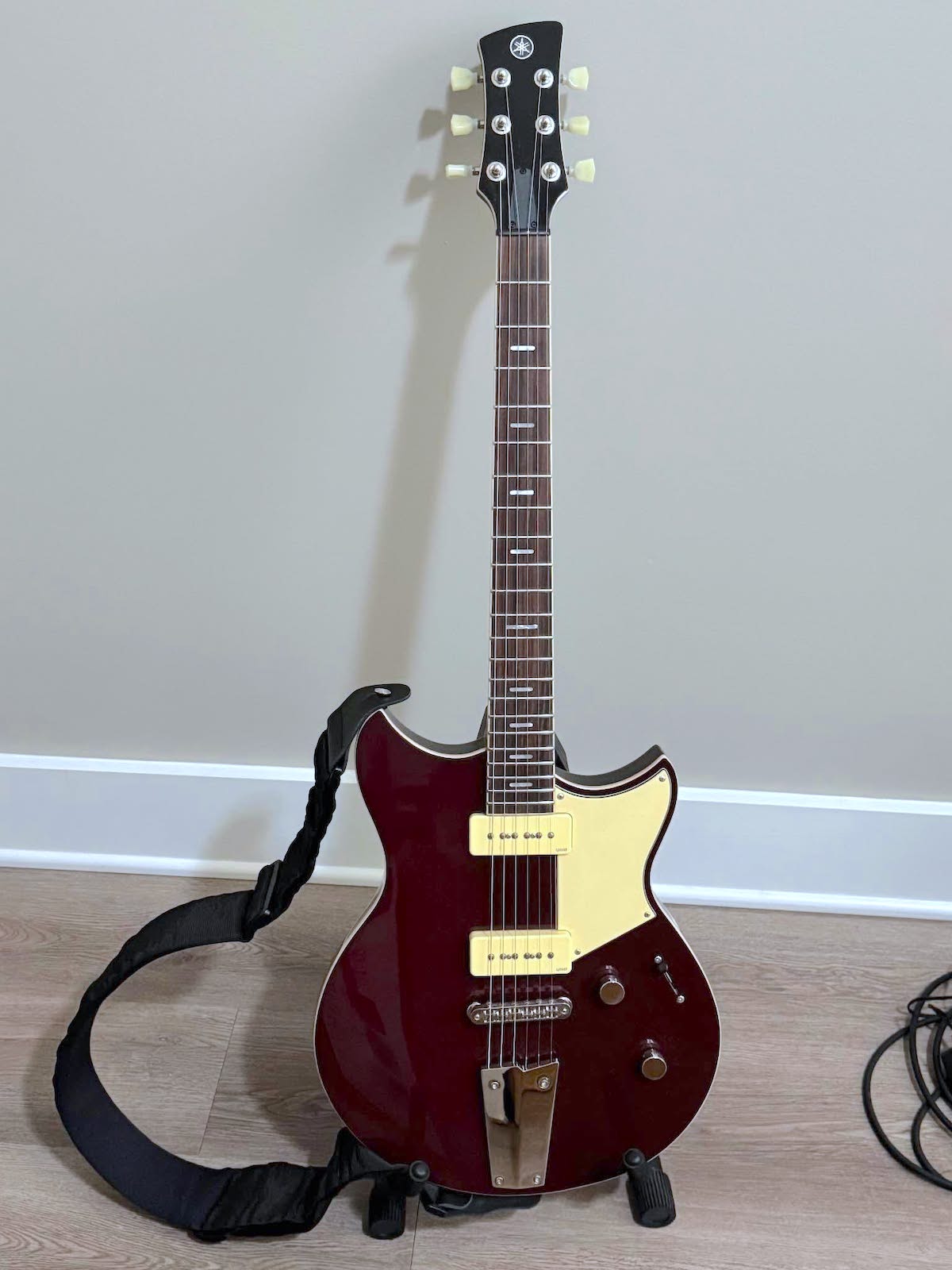
Yamaha Revstar Standard RSS02T
But let’s rewind a bit.
First, let me tell you the maple top over the chambered mahogany neck is quite something, and the 2-color dye is perfect for the double cutaway.
The guitar is finished in glossy paint, but the neck has a satin finish on the back, which makes playing it a breeze. Plus, the 22 jumbo stainless-steel frets feel just as great as the bound neck. I love the minimalist inlays; they’re classy. The scale is your typical Gibson 24 ¾”, and the 12” radius means this is a fast guitar to pull off some sweet bends and ferocious riffs with.
After that first inspection, I plugged this thing in, and its crystal-clear tones made me look at the pickups again. They’re glassy like single coils. Furthermore, the company managed to re-create the Stratocaster sound for positions 2 and 4 while giving you a typical P-90 tone in the remaining three. The secret here is that these are Alnico V pickups, so they retain that clarity while adding the punch.
I put some overdrive on the signal and engaged the Focus control by lifting the tone knob, and I was rocking Zeppelin’s “Black Dog” and Heart’s “Barracuda” in no time. I’m telling you, this Revstar could have starred in Jaws; it’s a scary bite.
When going for full-on distorted sounds, I felt I was pushing it from the picking hand. The focus control allows more lows, and you feel almost in creamy humbucker territory, but not quite.
Are there any shortcomings? Well, plastic binding, cheap tuners, and a cheap bridge are part of the equation, too, but those are easy fixes. Other than that, this is one of the most versatile P-90-equipped guitars I’ve tried.
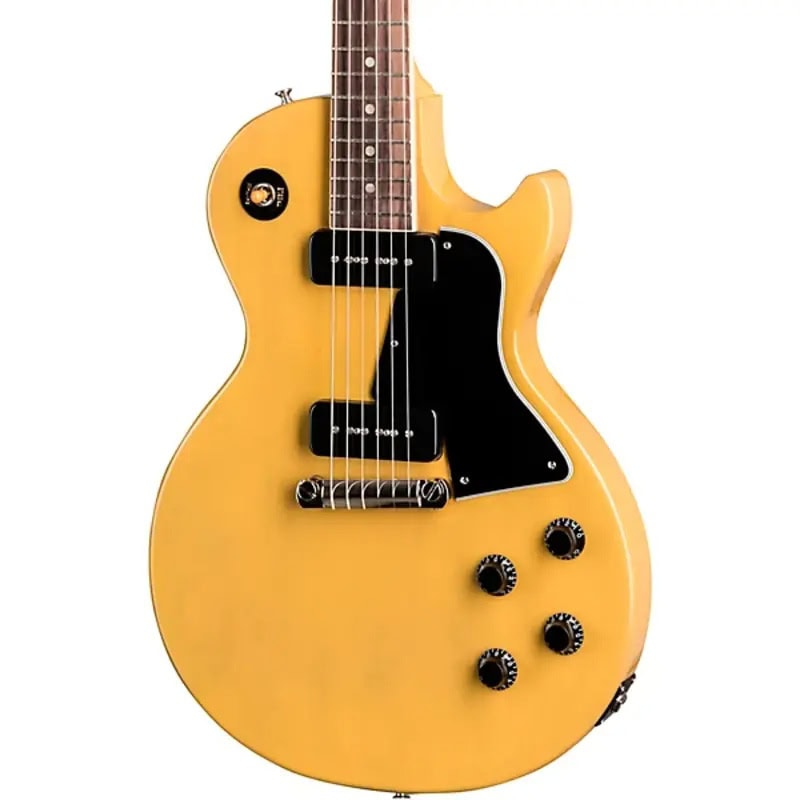
2. Gibson Les Paul Special
I like to think the Les Paul Special is Gibson’s version of the Telecaster. It’s like the no-bells-and-whistles version of the Standard. Just a plain plank of wood with the bare essentials to… well… transform the world.
This new iteration of the timeless classic carries with it much of the mojo and the spirit that made Gibson the company it is today, but it also has some modern appointments that bring it up to date.

Gibson & Epiphone Les Paul Special in TV Yellow
To begin with, I’m going to say something polemic: This is one of Gibson’s most versatile guitars out there. Yes, I know, but let me explain.
The four knobs and the three-way switch configuration allow you to go from mellow and clean with your volume knob in 3 and the neck pickup to a full-on, face-melting distortion with all controls dimed and the bridge pickup.
I plugged it into a Deluxe Reverb, and the neck pickup is just the sweetest thing around. You can even play with the tone knob a bit and make it darker for some intricate jazz chording or using the tone in 10 to explore beautiful leads, adding a pinch of delay and some glorious reverb.
Why does it sound so sweet? Well, the handwired electronics are era-correct with the original Orange Drop caps that attenuate harsh highs and round out the overall tone.
Crank the volume, and the thing turns into a menacing beast ready to take you into the Twilight Zone. Yes, I did play some early Santana tunes like “Soul Sacrifice,” and that barky, dark, bitey tone is right there.
The bridge pickup is a different animal completely. You go more into rock and roll territory. Think early Stones, some The Who, or even Gary Moore (not so creamy, though). I just kept on coming up with riffs using distortion; it was midrange heaven.
Finally, each of these guitars goes through a PLEK machine, so intonation is perfect, and you just have to love the sustain and attack from the wraparound bridge.
Not everything is good news, though; this Les Paul Special could use some satin finish on the generous, fat ‘50s neck. I mean, it’s great that it's Nitro, but it’s sticky.
This is an outstanding guitar for every player who wants versatility and tone. Oh, and if it’s out of budget, try the double-cut Epiphone version, too.
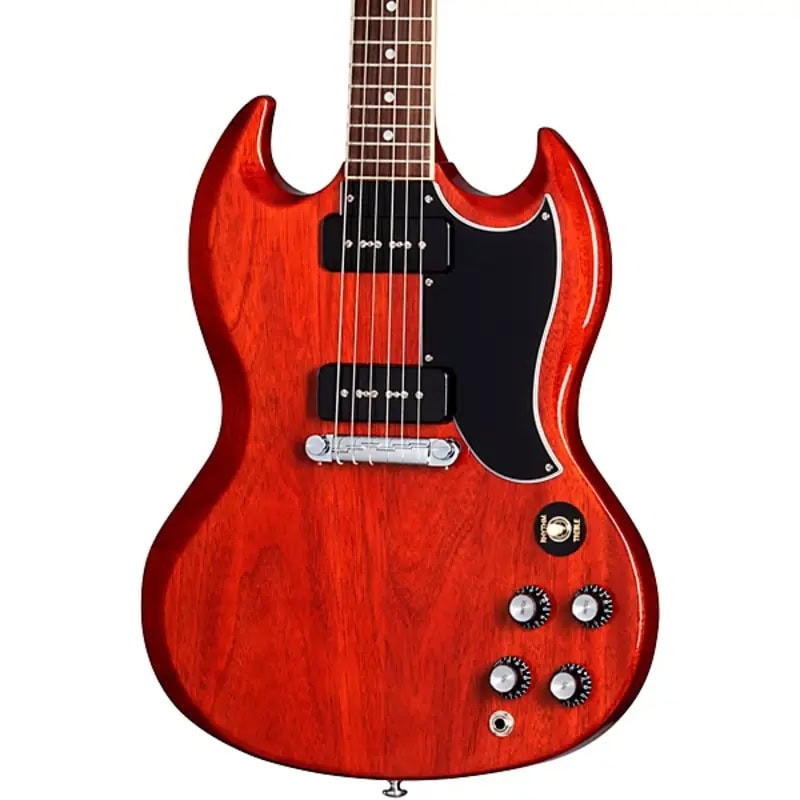
3. Gibson SG Special
Aggressive, midrange-savvy, powerful, and iconic; that’s how this guitar sounds. You can simply close your eyes, engage the fuzz, and play The Who songs with your picking hand acting as a fan all night long. Yes, the tone, the feel, and the look are all there.
Let me begin by saying I own a ’68 Jr. I think it’s fair for you to know my ears and hands can compare this to a real deal sixties specimen.
On one hand, this SG Special is ten times easier to play than my original. The slim-tapper neck, rolled edges, and flawless, PLEK Pro machine fret finish make this a guitar you want to play for hours.
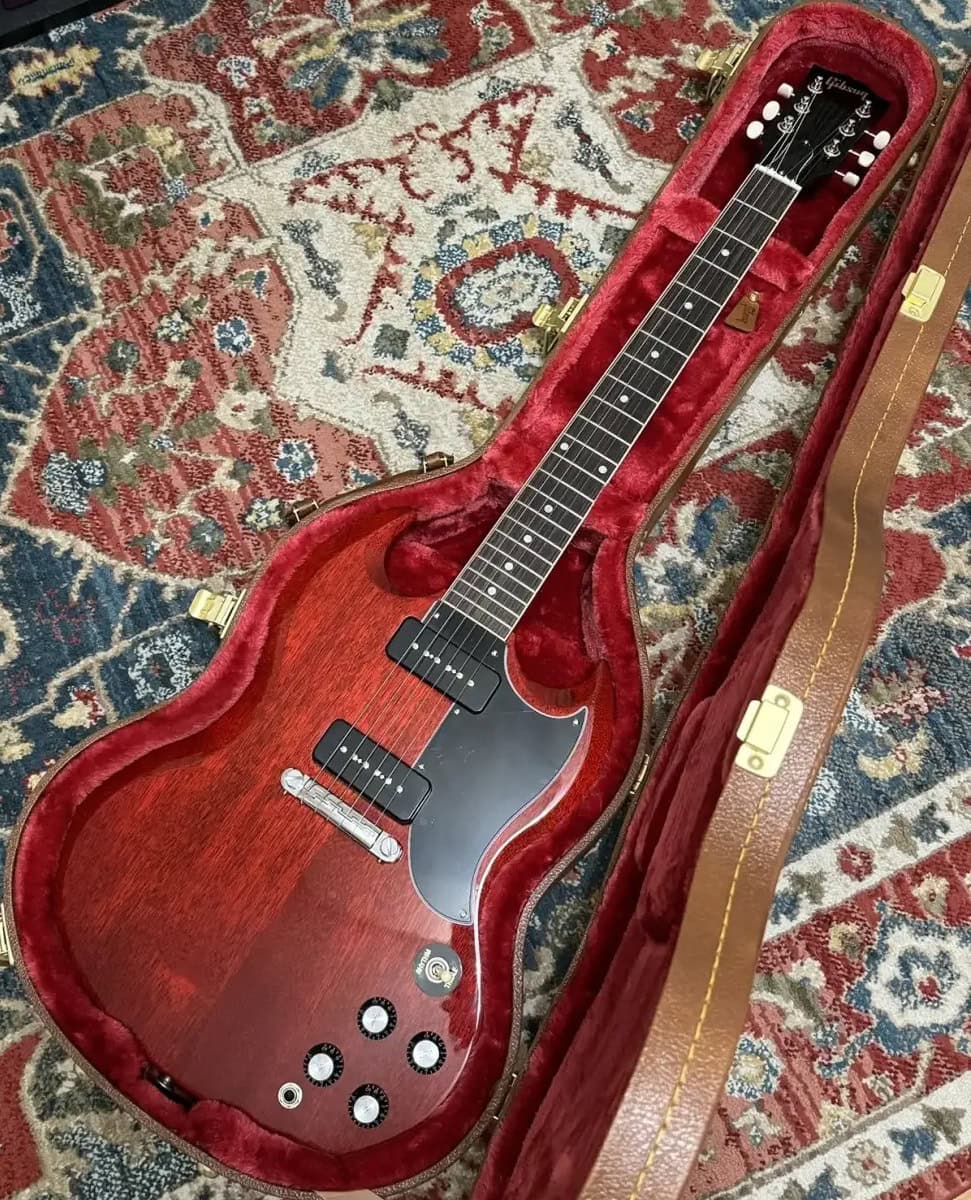
Gibson SG Special
I know what you’re thinking, and yes, that midrange is impossible to remove. You can’t get rid of it, no matter what pickup you use or what you set the volume for. That said, it’s not a midrange loaded with harsh treble overtones but with musical high-end that defines chords and makes leads sing.
I think this makes it less versatile than the LP alternative, but also way more rocking. I mean, you don’t have that low-end, but you gain a razor-sharp midrange that can cut the Empire State Building in two. Believe me, I dusted off my slide chops, tuned it to open G, and the results were extraordinary rock and roll.
Do the test yourself, just plug this beauty into a breaking amp, and you’ll need to do nothing to get the best rock and roll tones out of it. I mean, it might not be as versatile as other guitars on this list, but what it does, it does perfectly.
What are the differences with my ’68? Well, if you’ve ever played a vintage instrument, you’ll know there’s a certain depth to tone that’s simply not there in newer guitars. But that’s it, this is a ferocious guitar ready to take your rocking tones to the next level.

4. Epiphone Wilshire P-90s
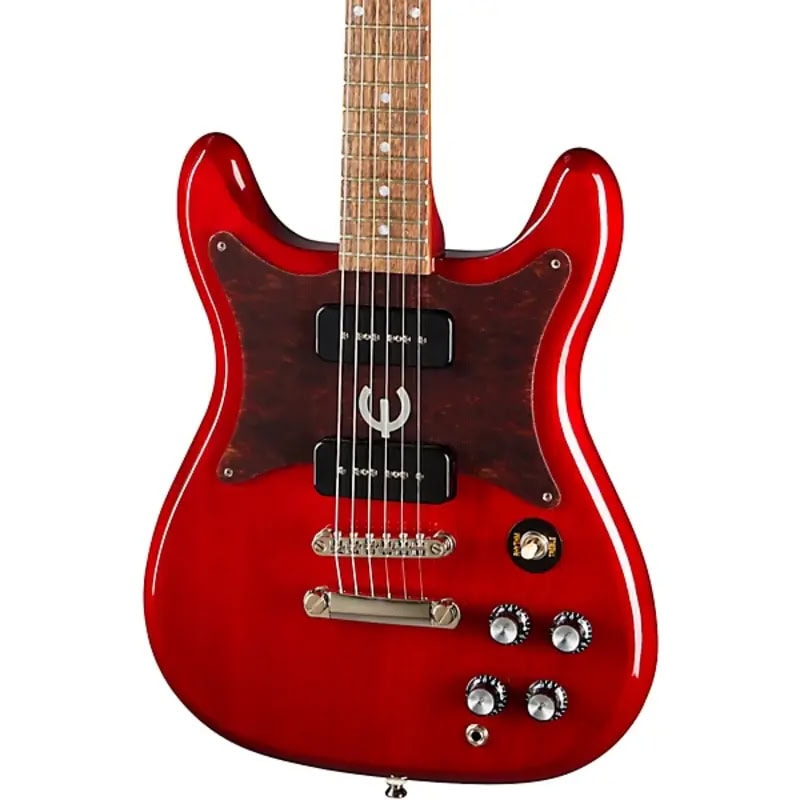
This is an original Epiphone design from the ‘60s. A beautiful retro instrument that’s great for rockers on a budget needing a killer guitar. The Wilshire brings back the golden era of Epiphone, way before the Gibson Company took over.
First, I love the bikini logo on the headstock. The plain mahogany body is as comfortable and lightweight as any proper punk, garage, and rock player needs to move and jump around on stage.
Also, the C-shaped neck with 12” radius, the 24 ¾” scale, and the SG-style neck joint make this a perfect alternative to that guitar, missing from the Epiphone line up. Likewise, the position of the pickup selector and the controls scream SG. In my opinion, though, as a fan of The Hives, this guitar has a different mojo and a classier look.
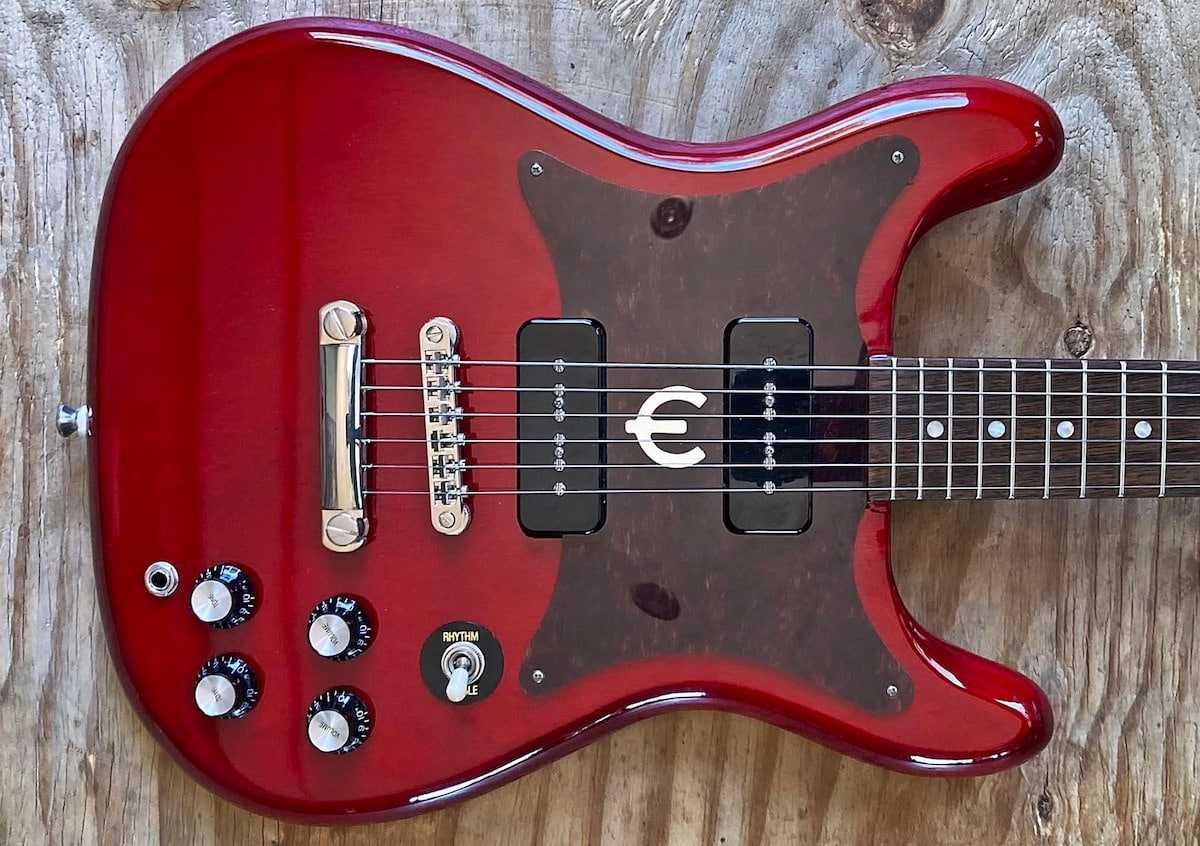
Epiphone Wilshire
But besides playing great, this guitar also sounds great. One thing I have to say is that the PRO P-90 pickups work as they should, giving you edge and bark. The CTS pots are good to tame the highs if you wish to, and to clean up the tone. I had some fun strumming with the volume around 4 with that clean, jangly tone.
Perhaps what I can say is not as good is that the pickups are too close and don’t give you that much sonic variability when toggling between them. I mean, both bark and bite, but don’t really give you that bassy neck tone.
If you’re looking for a budget rocker and you dig the looks, this Epiphone Wilshire is a guitar you must check.
5. Reverend Jetstream 390
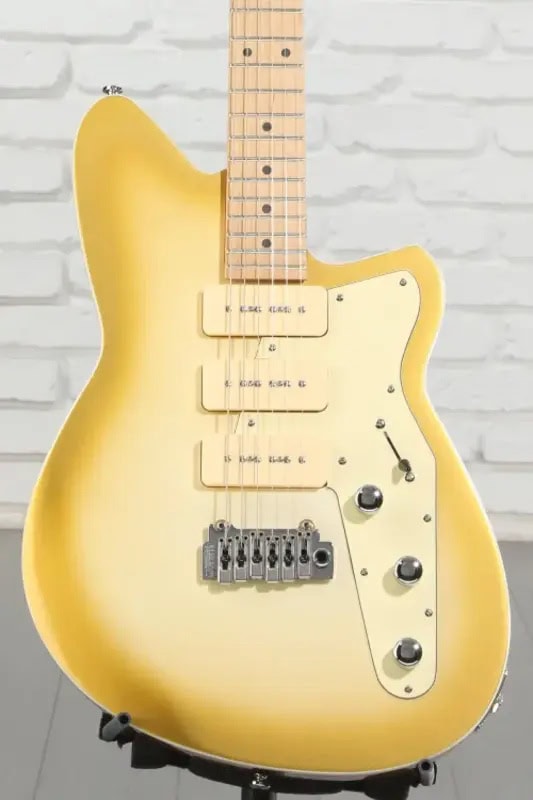
The Reverend Jetstream 390 is a great guitar to achieve a multiplicity of tones without changing instruments. Yes, the triple-P-90 configuration allows for some Strat-like sounds, Surf-approved, edgy vibrations, and fat, powerful, rocking tones.
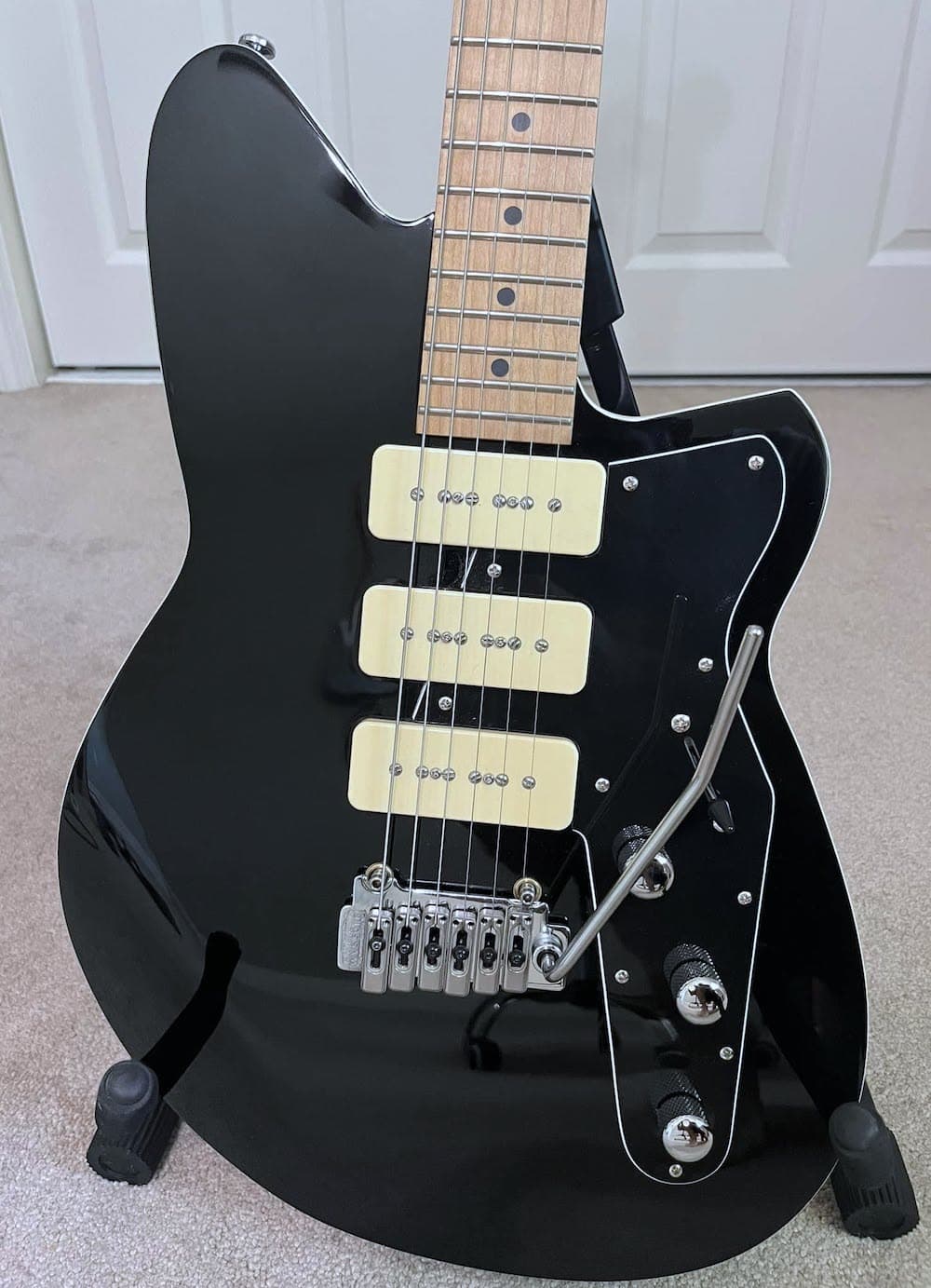
Reverend Jetstream 390
This guitar barks, purrs, bites, and yells depending on how you set the controls.
Speaking of which, I think Reverend’s layout is very clever. They added a very important knob that’s called bass contour and helps you dial in (or out) some lows to increase or decrease fatness. I mean, I used it to fatten the distortion, and this guitar got huge. I played “Songs for the Deaf” by Queens of the Stone Age and “Iron Man” by Black Sabbath, and the guitar responded perfectly.
I mean, if you think about it, the roasted maple neck brings in beautiful, razor-sharp, bright tones, and the P-90s add the rest to make this guitar monstrous.
“But what about clean tones, man?” Well, those were wonderful. The 25 ½” scale mixed with a 12” scale and the treble bleed circuit (retaining high-end as you roll-off the volume) helps you dial glass-like tones to play chords and strum the night away. I really liked positions 2 and 4 because with the increased tension of the scale and the maple neck, you can play some funk tones. Yes, “Scar Tissue” by the Red Hot Chilli Peppers sounded quite close.
This guitar, with its Wilkinson bridge and locking tuners, is a great instrument to play all night. Yes, it doesn’t have that instant rock-ready sound the SG and the LP have, but you’ll find many more to play with.
If your budget allows it, it deserves to be tried before buying.
6. Sire Larry Carlton L3 P90
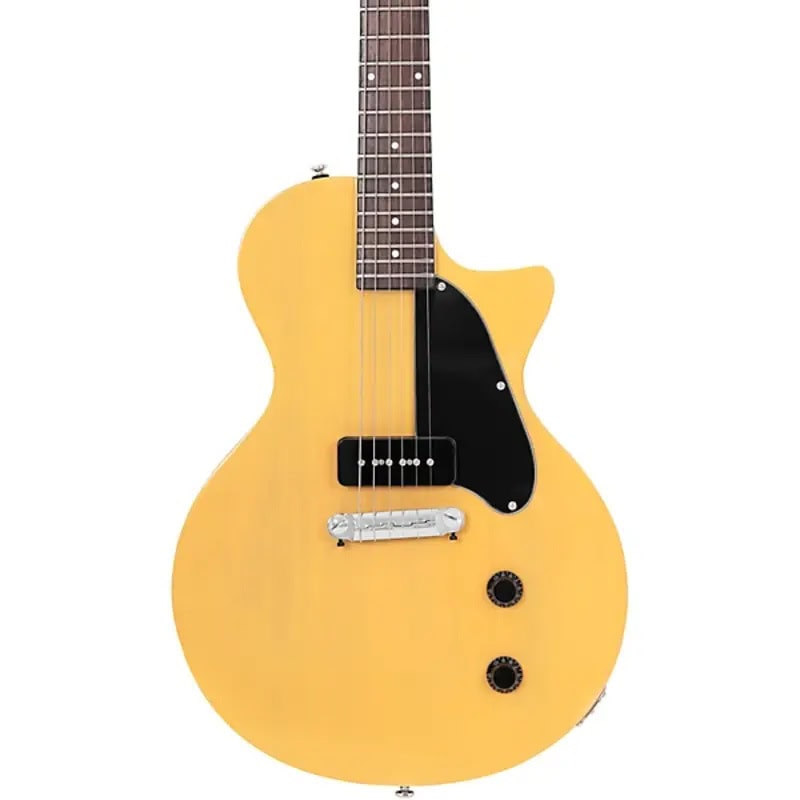
Let me start this by saying “Watch out, big brands!” Sire is making some outstanding instruments at affordable prices and revolutionizing the market as it goes.
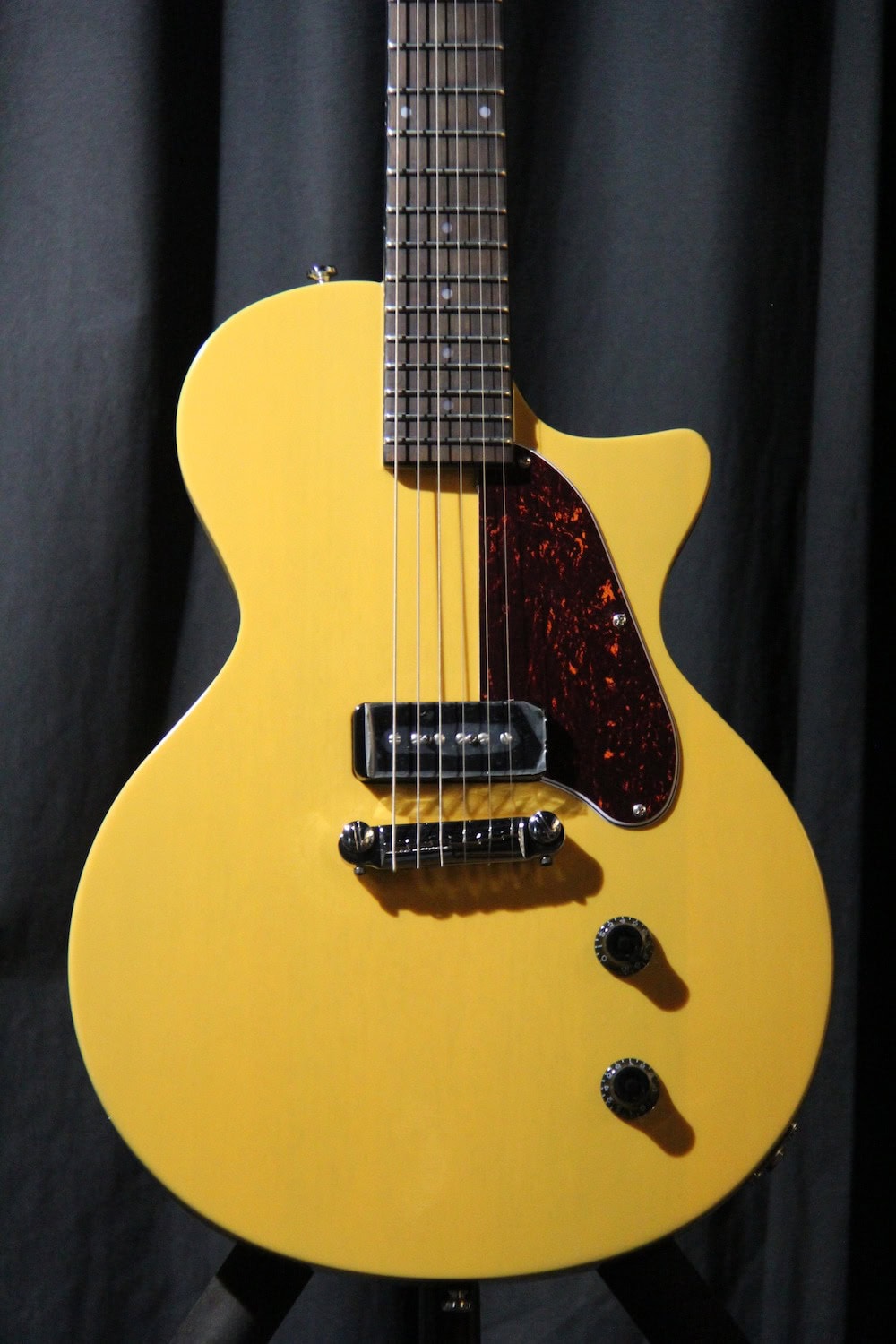
Sire Larry Carlton L3 P90
But let me talk about this mighty L3 with one warning: I love Jrs, so I might be a little biased here. It’s just that the simplicity and sheer power of the single pickup configuration is enough to blow the roof off any venue. Plus, in the heat of the battle, you have nothing to worry about; you’re not knocking switches by mistake.
The L3 is a modern version of a timeless classic. The best example of this is the neck joint. It’s got a recessed heel that’s close to what Fender does on the Ultra series, but in a set-neck configuration. That small detail makes it great for riffing, chording, and shredding (and the finish on the neck is satin!). You can get your hand up there effortlessly and rip the fabric of reality with a wailing solo all the way to fret 22.
Speaking of which, it comes with a rosewood fingerboard featuring smooth, rolled edges and medium jumbo frets that are comfortable without being too big.
Sound-wise, the wraparound bridge gives it that spanky thing we love so much, but it’s also compensated, so it intonates perfectly. The 12” radius is nicely balanced; you can be playing for hours, and your hand won’t even feel it.
But how does it sound, man!? Just as good as it looks. I mean, with so few things that can go wrong, this guitar is a rock machine. I tried nasal, quirky sounds with the tone rolled all the way off, and it sounded perfect. Also, the full-on, take-no-prisoner, dimed controls tone is just as you would expect: Ferocious and rocking.
Perhaps, if it were a keeper, I would upgrade the tuners and put in a pickup that would be a little less noisy, but other than that, this is a lot of guitar for the money. A lot.
7. Gretsch G5210T-P90
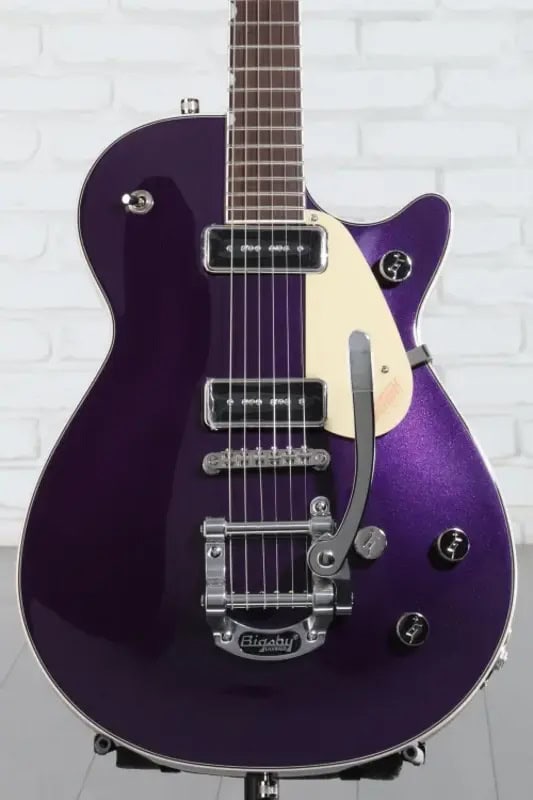
Gretsch guitars are cool. I mean, as a George Harrison/Billy Duffy/Brian Setzer fan, I just can’t resist them. I’ve tried some very expensive ones made in Japan and even more expensive ones made in the USA and this guitar isn’t so far.
It has the shortcomings of a budget guitar in the hardware department, like the generic tuners, regular bridge, and okay-sounding pickups. But on the other hand, the original Bigsby, the looks, the attention to detail, and the quality tone wood make it a great guitar for the money.
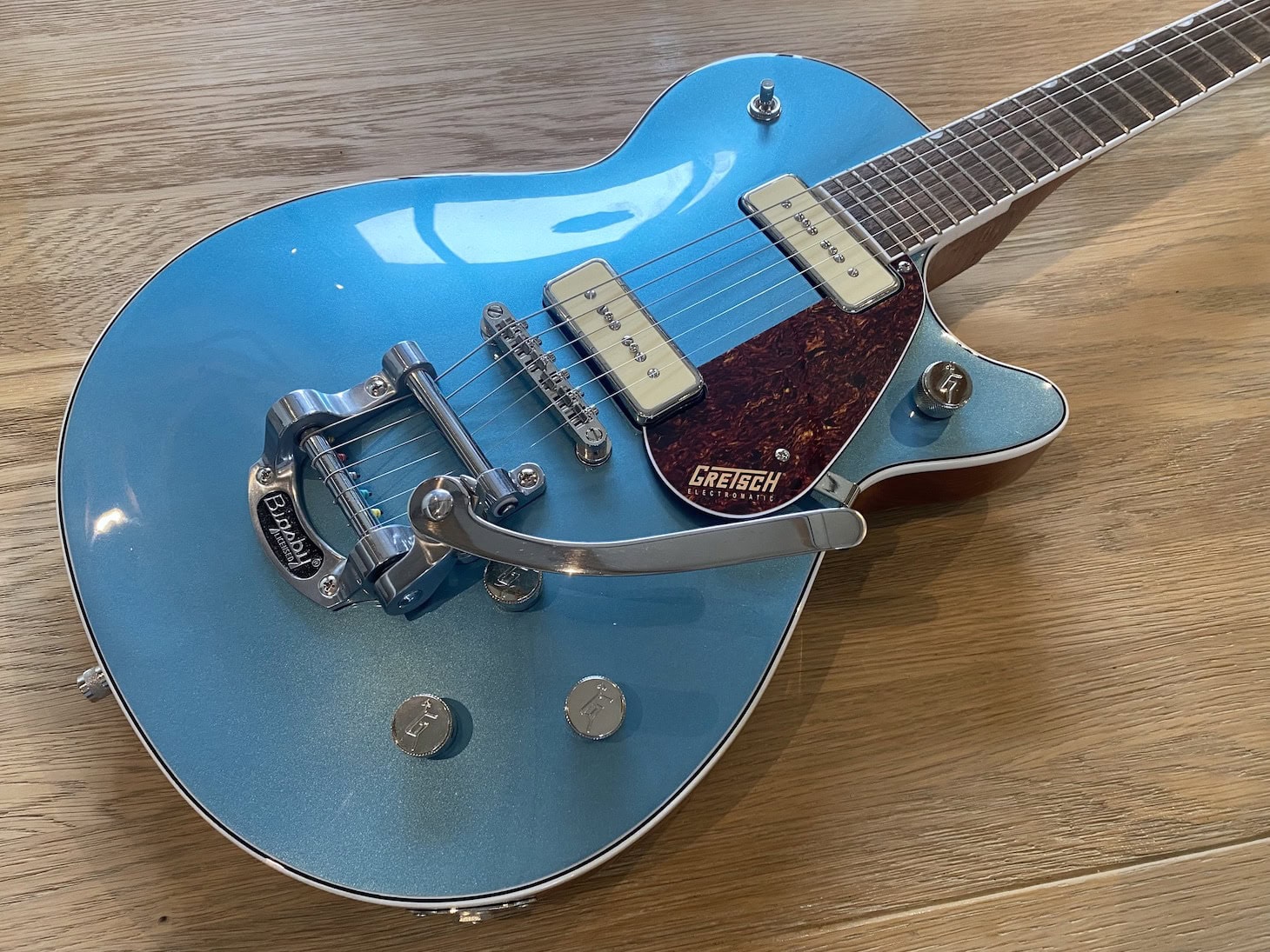
Gretsch G5210T-P90
To begin with, there’s no roller bridge or nut, so playing the Bigsby will get the guitar out of tune, and fast. On the other hand, vibrato is smooth, soft to operate, and works wonders to play rockabilly, country, or Beatles tunes (which are a category of their own, of course).
The pickups need some clarity and tend to be softer than regular P-90s. They don’t bark or bite as much but do offer some smoothness that translates into a laid-back kind of tone. I can’t say I didn’t miss the rocking attitude, but they also made me play differently. After all, this is an elegant guitar, so it’s meant to play “New York State of Mind” or something like it.
I really loved the fact that it’s a chambered mahogany body because it makes it lighter and more resonant. The maple cap adds some brightness to the tone, which the pickups desperately need.
I played everything from “She Sells Sanctuary” by The Cult to “She Loves You” by The Beatles, and this guitar was a lot of fun. The one thing that was odd to me is that the very comfy U-shaped, thin neck didn’t have markers for frets 19 and 21. I can live without them, but not every player can, so bear that in mind.
Other than that, this Gretsch G5210T-P90 is a great guitar for amateurs and beginners, but with a couple of mods can be a terrific gigging and touring instrument too.
Oh, and Prince called, he said the finish was awesome too!
8. Guild Starfire I Jet 90
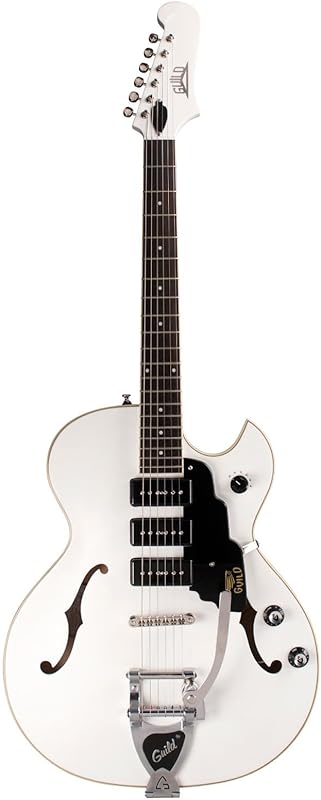
Guild guitars are quite an oddball in the guitar world. We all know them, we all heard them, but they’re somehow out of our radar for whatever reason. Now, this is a great guitar with a clever design, great appointments and enough sounds to cover all your needs. In other words, it’s an instrument that shouldn’t escape your radar.
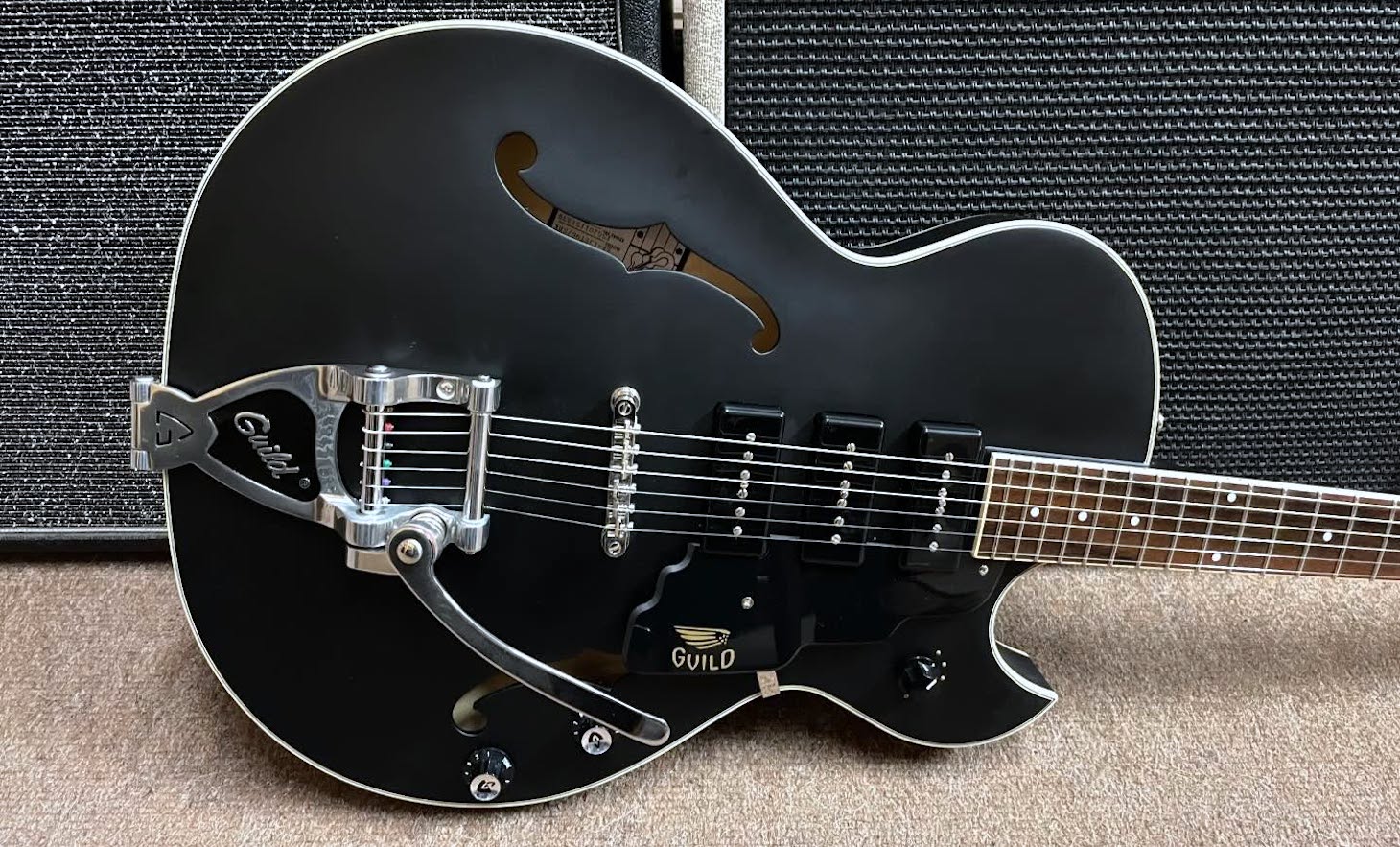
Guild Starfire I Jet 90
I love the way it mimics the Trini Lopez with the long headstock and the semi-hollow body. The jet-black satin finish makes it menacing and cool, but all of that falls pale compared to the wide palette of colors you can paint with it. I’m telling you, I was flabbergasted with this instrument’s 6-position rotary pickup selector. I mean it, companies should mimic it. The three P-90 configuration allows the regular 5 positions you’d expect in a Strat, but the sixth is the Tele thing with bridge and neck engaged.
Also, the hollow body and mahogany neck and center block balance the high-end and midrange coming from the all-maple construction. What you get is a guitar that can roar playing with distortion, give you spanky tones in positions 2, 4, and 6, pour some jazz tones from the neck pickup, rip it in the middle, and bite in the bridge. Yes, I’m not exaggerating, this guitar can do it all!
I played everything from Charlie Christian to Rancid to Ozzy to Mayer, and it all sounded powerful and defined. I’m telling you, I can’t think of anything you can’t play with it.
Are there any shortcomings? Well, the usual in a budget guitar like tuners and bridge. But other than that, this Guild Starfire is a great guitar for the price. You should really check it out before buying.
How to Get the Most Out of Your P-90 Pickups?
This is a question I get a lot from fellow players who see me enjoying and praising P-90 pickups so much. Here are some tips so you can get the best out of them and fall in love, too.
Understand their singlecoilness
P-90s are single-coil pickups on steroids. Yes, they carry the 60-cycle hum with them wherever they go. Therefore, if you want to take advantage of their razor-sharp midrange but still add a lot of distortion, use a noise gate.
Give them something to bite
Overdrive is the name of the game when talking about P-90s. If you want to make them shine, give them something to bite on, add overdrive to the signal and let them rip.
They’re punchy but sensitive
Just like me, LOL! Seriously, they carry punch and a ton of snarl, but they’re touch-sensitive because they’re single-coil pickups, so they’re not as compressed as humbuckers. Mind the picking hand. If you dig in, they will respond accordingly, and if you caress the strings, they will calm down.
Output isn’t moderate
One thing many people get wrong with P-90 pickups is that they think they can’t match a humbucker’s output. That’s far from the truth; these pickups are loud! So, if you’re alternating between low-gain guitars (like a Tele or a Mustang), bear in mind you’ll need to push those guitars further to avoid volume drops.
The (Barking & Biting) Bottom End
P-90 pickups are, in my opinion, the quintessential rock tone when plugged into the right amp. I mean, the tone is just there without adding a single thing to the signal. But there’s much more than rock and roll to these pickups that are reactive and punchy, but also defined and clear.
All the guitars above show the best side of these pickups for all budgets, likes, and playing styles. So, go try the ones that resonated the most with you and enjoy these pickups in all their uncanny glory.
You’ll find it hard to go back to other pickups, though; you’ve been warned.
Happy playing!
