
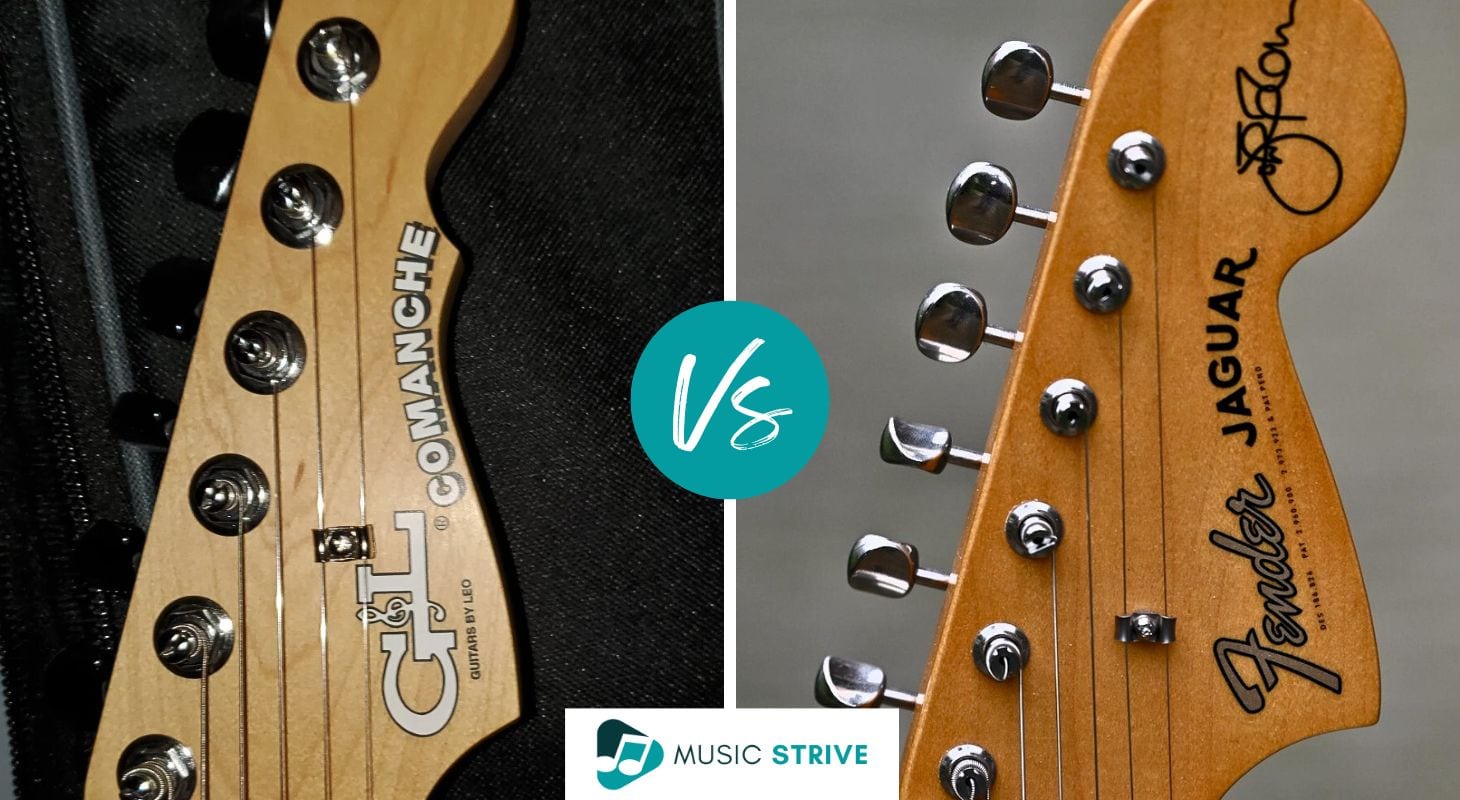
Before passing away in 1991, Leo Fender declared G&L to be “The best instruments I have ever made.” That’s quite something coming from a guy who only imagined and created the P-Bass, the Stratocaster, and the Telecaster just to name a few.
Well, Leo sold Fender (it even sounds wrong, doesn’t it?) in 1965. Soon after, he became the president of Music Man. He took a second there to create the StingRay, the first mass-produced active bass, and then moved on to found G&L with friends George Fullerton, and Dale Hyatt. Yes, the G comes from George (Fullerton) and the L comes from Leo (Fender).
But beyond being the last sibling of the man who created it all, G&L is a company offering outstanding instruments on their very own. Yes, they borrow widely from Leo’s early adventures, but 40 years later, they’re created with new twists that are mind-blowing, Oh, and the quality is top-notch.
Finally, you know Leo was always thinking about creating the perfect instrument for the working-class hero. Well, G&L honors that vision and offers lines at different prices. So, there’s surely a G&L instrument that perfectly suits your budget and needs.
Are you ready to see your next favorite bass or guitar? Let’s do it!
Understanding the Lines
G&L offers two main lines, the very affordable Tribute Series made in Indonesia (with some cut corners) and the USA guitars.
The guitars made in the USA are divided into two groups, the classic, traditional instruments are found at the Fullerton Deluxe line while the bolder designs are at the CLF Research line.
CLF stands for Clarence Leonidas Fender, yes, the man might be gone, but his spirit is all over the place.
So, while guitars and basses in the Fullerton Deluxe line are the most traditional ones made by the brand (more on that in a bit), the CLF are the most cutting-edge designs.
Design and Build
On the surface, most G&L and Fender instruments look very similar, almost identical. It is only on closer inspection that you notice the subtle differences between the two brands.
Top 3 - G&L Guitars & Basses
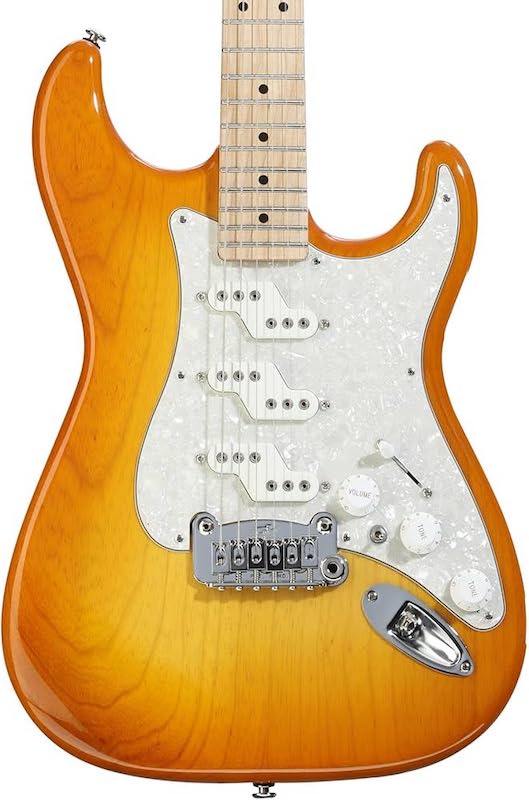
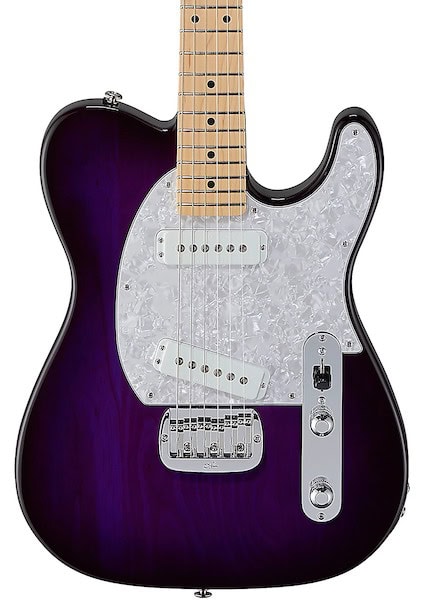
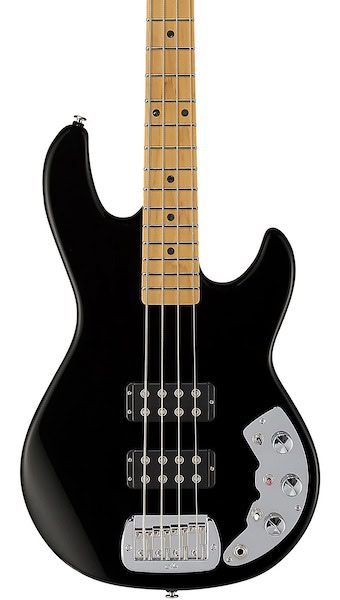
For example, guitars like the Donheny, ASAT, S-500, and Legacy are awfully similar to a Jazzmaster, a Telecaster, and a Stratocaster.
In the bass realm, the JB is awfully similar to a Jazz Bass, the Kiloton looks a lot like a Sting Ray, the SB and LB mimic a P-Bass, and the Fallout is very close to a Mustang Bass (short scale included).
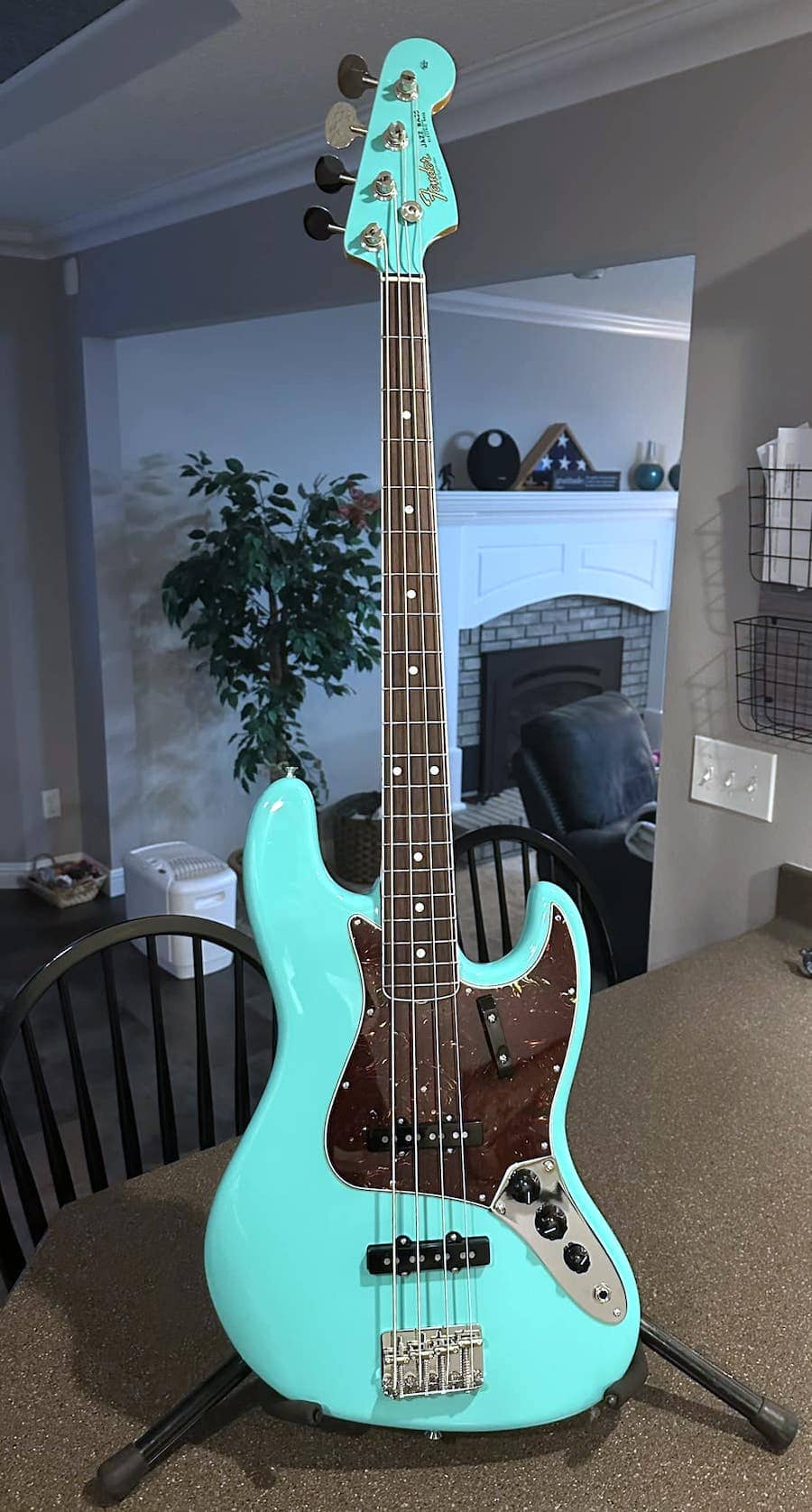
Fender American Vintage II 1966 Jazz Bass
Although the most obvious difference is the name on the headstock, these guitars and basses hide a lot more under the hood.
Both G&L and Fender use similar woods and designs for their instruments. While the Tribute Series uses mostly poplar for the bodies, you can find Swamp Ash and Alder in the Fullerton and CLF lines. Also, necks are made of hard rock maple with either maple or Rosewood fretboards. Those are the most common woods used by both companies (and many, many others around the world, of course).
Top 3 - Fender Guitars & Basses
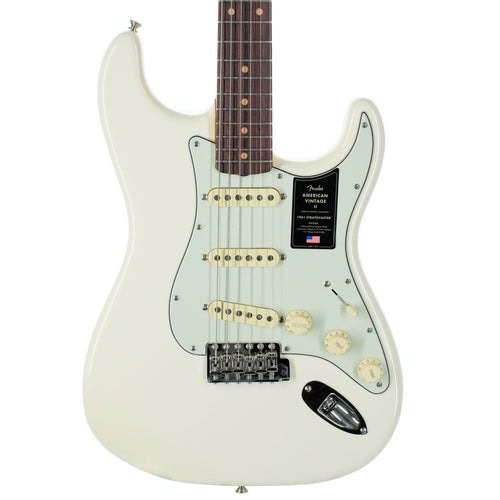
Apart from the nearly identical body shapes, the neck designs are also very similar. Instruments are made with C-shapes, although G&L does use a slightly thicker C-shape. If you have larger hands, I think G&L’s instruments will be a bit more comfortable to play than, say, Ibanez-style necks or American Ultra ones.
I have to say I felt quite at home trying out these necks because G&L utilizes satin finishes on them. This makes the overall playing experience silk-like and very comfortable regardless of the humidity and temperature.
For example, a bass I couldn’t put down was the Fallout; with its short scale and satin neck was a joy to play. Likewise, the ASAT Bluesboy was an amazing experience with its sweet humbucker tones (more on that in a bit) and the gorgeous neck.
Although one might be tempted to say that the Tribute line is far from that experience, the truth is that the satin neck on those instruments is also a joy to play. Perhaps, the biggest difference in terms of finish and comfort as well as playability is that all USA-made guitars go through a PLEK machine (more info here). This ensures top-notch playability and setup which is more of a lottery in the Tribute series.
Further down the body is another noticeable difference between G&L and Fender - the bridge. Many Fender players don’t like the more modern look of G&L’s bridge design. That said, you fellows should know that the two-pivot bridge now widely used by every non-vintage Strat is something Fender took from G&L and not all the way around. It’s called a dual-fulcrum vibrato and is an innovation so amazing even Fender applied it to its Strats.
Yes, even the idea of the “inserted” tremolo arm rather than having to give it turns to install it comes from the dual-fulcrum vibrato (more on it here).
On the bass side of things (and also used on their fixed-bridge models like the ASAT) we have another amazing post-Fender invention by Leo, the Saddle-Lock Bridge.
This patented hardtail bridge allows more resonance from the strings to be captured by the guitar’s body, thus, it enhances sustain.
The trick is simple, there’s an allen (hex) screw on the side that pushes all saddles together and toward the bridge’s walls transferring more vibration to the body than ever before.
These uncanny, top-notch bridges are what you can find on USA-made and also Tribute instruments. Does it make a difference? Well, of course it does, and, being a Tele and P-Bass lover myself, I have to tell you, they aren’t but feel like string-through-body instruments with this revolutionary bridge (more about it here).
The build quality is, as I said before, top-notch across the board. It’s a statement that doesn’t just apply to guitars and basses I could compare against the originals, like the Legacy with a Strat, or the JB with a Jazz Bass, the ASAT with a Tele, or the LB with a Precision, but also to the CLF Research guitars and basses.
Those are brand-new, revolutionary guitars coming from the pen of the man himself.
For example, the brand-new Espada, a project that was started by Leo in the late ‘60s and finished upon rediscovery by Dave and John McClaren (the company’s president) half a century later, is so unique-sounding that it might just become a classic on its own.
To begin with, you can’t fail to spot the resemblance between the control plate of the Espada and that of a Music Man Sting Ray. Also, it is an active guitar powered by a single 9-volt battery. All of these appointments make it a revolutionary take on guitar making for the era but it’s also a guitar made of swamp ash with a spanky, comfortable all-maple neck.
In other words, you get this highly resonant body and neck with enough midrange to slice the world in two. If you match it with the organic feeling of the saddle-lock bridge that’s already a killer guitar unplugged. But what happens if you throw in an active preamp with an on/off toggle? Well, you have a guitar that sounds like an instant classic but also offers a wide palette of sounds to choose from.
In my opinion, once more players discover what it can do, it’s prone to become a classic in its own way.
The build quality in the Tribute Series, as you might imagine, isn’t au pair with the USA line. To begin with, the PLEK machine makes a big difference. Secondly, they use replacement, alternative woods like poplar for the bodies. Finally, the company doesn’t offer all guitar and bass models in their Tribute Series but only a few; you can’t yet get a G&L Espada, for example, at this price range.
I would say that the Tribute Series' build quality, features, and craftsmanship are close to what you’d expect from a Fender Player II. Better said, in my opinion, these seat comfortably between Fender’s Indonesia-made Standard Series and the MIM Player II Series.
In both cases, myself and colleagues have taken these guitars and basses to gigs and got complimented on our tone without breaking the bank. Oh, and they can also withstand the hardships of the road.
Sound
As you might know, Fender guitars are characterized by their bright, chimey, and crisp sound. This is partially because of the tonewoods employed and partially because of the design and specs.
Well, since both companies share most of those materials and specs, you’ll recognize many of the things you love about Fender in G&L guitars and basses. These tones are often associated with the classic rock and blues sound as well as pop, neo-soul, and funk.
Perhaps, sound-wise, the biggest difference between these instruments and Fender is that, while these sound pristine, modern, and ultra-clean, the company with the big F still offers the grit, the hair, the hum, and the dirt that made them rock n roll machines in the past.
After all, G&L is the evolution of the Fender sound. That evolution is toward a cleaner, more sophisticated, and pristine sound. I mean, don’t get me wrong, you can still play bluesy licks and Frusciante-like one-note spanky riffs, but it all sounds like an American Ultra rather than an American Vintage.
In other words, the G&L guitars and basses look like Fenders, and sound like Fenders… but cleaner. They share many of the same qualities, they are also crisp and bright with a similar tone.
I do feel, that G&L’s lean a bit more towards a modern sound.
Speaking of which, much of a guitar’s sound comes from the pickups, and G&L’s single-coil pickups are another of Leo’s inventions. Here, we have to talk about the uncanny Z pickups and the unrivaled MFD design.
To begin with, I tried the Comanche, the last model Fender ever worked on. It’s a Strat-like guitar but with some changes like the Dual-Fulcrum bridge, and, of course, the Z pickups.
These pickups draw from the split-coil tradition of the P-Bass and use it to create humbucker-like tones that behave like dual-coil pickups but sound like single-coil ones. Yes, I know, it takes a moment to let that pickup shape sink in, but they sound absolutely gorgeous.

Fender American Performer Precision Bass
Also, the split coils are voiced to enhance the lows and the highs respectively and cancel most of the hum. That way, what you get is a punchy, powerful, and crystal-clear single-coil sound with none of the noise and hum.
For some, that’s a great thing, others might miss the hum. Nevertheless, let me tell you that the Tribute Series and Fullerton Deluxe Comanche are a joy to play with a unique sound and an even more unique look.
Oh, and the tones I got from positions 2 and 4 were so irresistibly funky and bluesy it was hard to put the guitar down.
Another thing that’s important about the Z-Coil pickups is that they belong to the MFD line of pickups, designed by Leo after Fender. The acronym stands for Magnetic Field Design. The idea, straight from the mind of Leo Fender, of course, was to make more powerful pickups for the seventies arena-rock movement but without getting any more noise.
The idea to make individually-adjustable pieces for each string (with an included allen wrench) became a possibility when they put them over a large magnet. Because of the magnetic field that this design creates, each turn of the coil creates more power and volume.
The result? Well, Leo did it again, folks, you get more volume and less noise.
These pickups are in almost all G&L instruments. I was particularly fond of the Jumbo model found in the ASAT Special, the humbucker found in the L-1000 is also punchy, powerful, deep and snappy but fierce and silent.
When compared to Fender, their sound of these pickups is also a bit more refined, especially on single-coil models. Where Fender single coils are quite sensitive to noise and hum, especially on high gain, G&L’s single coils are much quieter.
Don’t forget about it, G&L is Fender, but evolved.
I think G&L guitars have an overall cleaner and more rounded sound than Fender. This also makes them a bit more versatile when it comes to genres and styles. G&L’s guitars have a much easier time switching between a clean and distorted sound or going from funk to hard rock.
In this sense, I loved the versatility of the Dohenny V12. The fact that you can use these pickups in series, parallel, and single-coil mode individually opens up a wide new array of tones. I mean, if you think the Jazzmaster is a gloriously versatile guitar, then this is an amazing new step in that same direction.
The Tribute version of the Dohenny comes with the beautiful block inlays, the Double-Fulcrum Bridge, sadly not the V12 humbucker pickups but lovely, punchy, and powerful soapbar-sized MFD pickups.
The final thing I have to say about the sounds of G&L guitars is that I love how the two tone knobs, another of Leo’s inventions called PTB System (Passive Treble and Bass). This means one of the tone controls on your guitar shapes the high-end while the other shapes the bottom-end.
What does this mean? Well, that you no longer have to sacrifice singing highs to gain some warmth. You can just dial some treble or bass to your tone individually.
Overall Value
Honestly, the value for money between Fender and G&L instruments is fairly close. Both brands produce high-quality instruments and that quality reflects in their price. But there are two things that set these brands apart in terms of value.
While both companies make great lower-cost instruments, G&L’s offerings do sound and feel a bit more high quality. The quality between an Indonesian-made G&L and an Indonesian (Standard) or Mexican-made (Player II) Fender is noticeable enough to make a difference.
G&L’s Indonesian-made instruments are also somewhat cheaper than Fender’s Mexican instruments. Price-wise, they stand between the Standard and Player II Series.
I think this makes G&L a much more appealing brand for anyone who wants to get a Fender-style guitar or bass with a tight budget.
Not to mention that a G&L Custom Shop is less expensive than a Fender Custom. Comparing these brands based purely on price-to-performance, G&L wins hands down.
Yes, Leo did it again and even surpassed his own company in creating the best budget-conscious guitar for the next working-class guitar or bass hero.
The second thing to keep in mind is resale value.
Fender instruments age very well and can easily increase in price over time. This makes them excellent collector’s items and you also don’t really have to worry about losing money if you decide to sell your Fender.
Unfortunately, many other brands don’t have this resale value, and G&L is no different.
Looking at the second-hand market for G&L, they don’t seem to lose much of their value. However, unlike Fender, they also don’t seem to gain value with age.
I have seen 30-year-old G&L’s selling for about the same price as their modern versions. While you probably won’t lose a lot of money on a G&L over time, don’t expect it to become a good investment either.
My Final Take
G&L is the evolved version of Fender. It represents four decades of non-stop innovation and the bold spirit of a man who never stopped chasing perfection.
In a way, we could say that G&L’s instruments feel familiar but feel just as much their own unique thing. This is especially true when we talk about the USA-made CLF Research guitars and basses that depict what Leo dreamed as the future of musical instrument manufacturing.
If you are a die-hard Fender fan, you’ll probably find a great replacement in some of the Tribute and Fullerton Deluxe models that are the perfect descendent of timeless Fender classics.
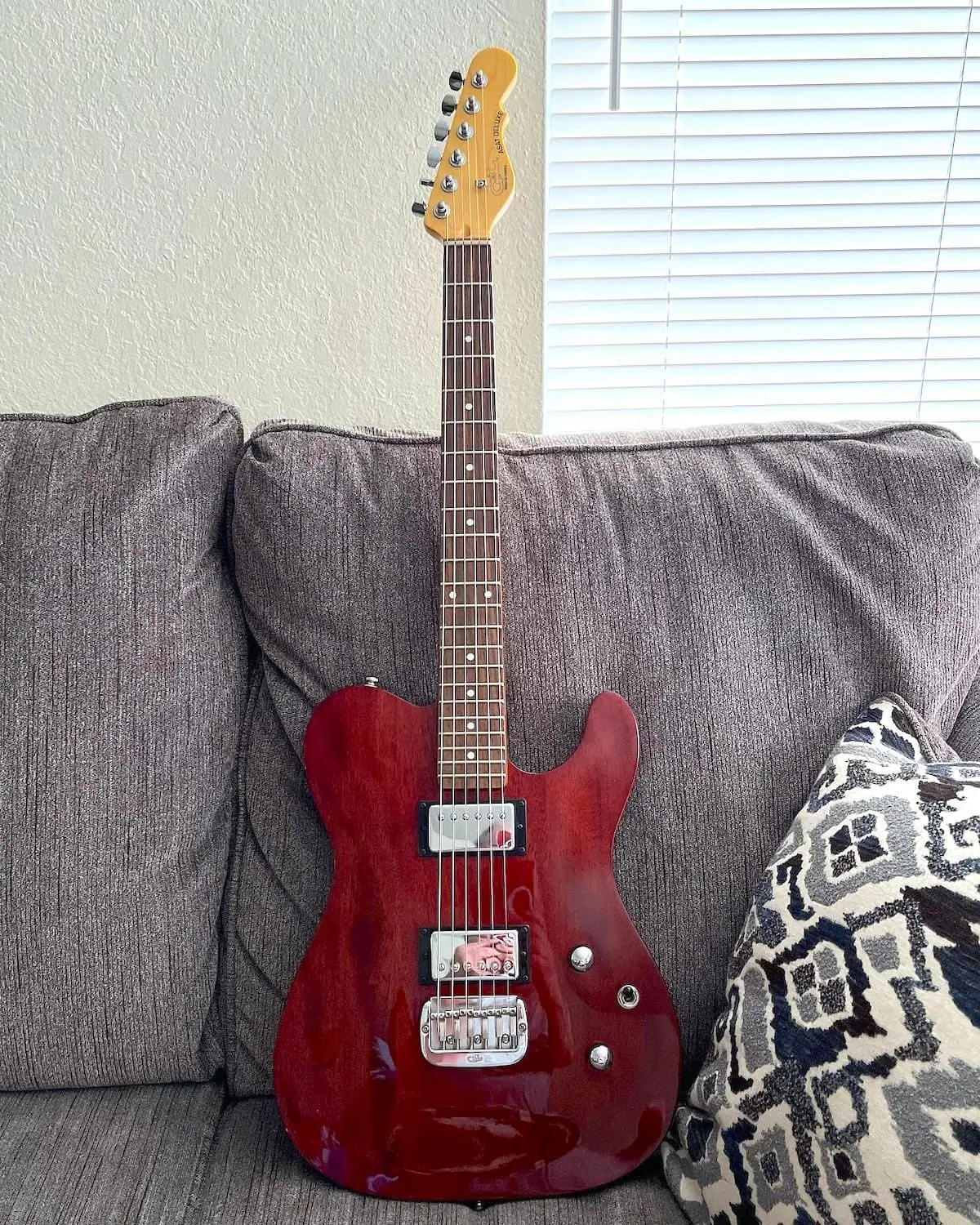
G&L Tribute ASAT Deluxe
That said, you should always bear in mind that G&L made a wise choice and doesn’t compete with the Fender American Vintage II or Vintera II lines at all. On the contrary, the brand finds its own voice in perfecting the designs taking them boldly into the future and getting guitars to a cleaner, more complex, and pristine sound rather than the raunchy rock n’ roll soul that gave Fender much of its name.
So, if you want the timeless, quintessential, vintage Fender tone, you won’t be easily swayed by other brands no matter how good they are, and won’t find it in G&L instruments.
On the contrary, if you gravitate toward the American Ultra II or Player Plus lines by Fender, you’ll find the evolution of that modern tone in G&L with outstanding details and top-notch manufacturing at a great price.
If you like exploring new grounds or you are a new player looking to dip your toe, G&L offers perhaps the best modern-sounding Fender-style instruments around.
The ideal scenario, would be to have one of each as both brands bring something special to the table. That’s especially true if you go for the CLF or the American Vintage lines in G&L and Fender respectively.
No matter which brand you choose, I promise that neither one will disappoint you.
Happy (evolved Fender) playing!

Leo Fender was about improving the product. He nevered rested on his past laurels. Modern instruments face the uphill climb of becoming vintage. Leo did not believe in staying in one place too long. That’s why luthiers are still copying him. They add their touches, but Leo Fender led the way.
Wow i just got my first bass and i was deciding between a fender player series p bass and a GL JB2. I went with the GL for about half the price of the fender. The bridge is super radd everything is very nice on this bass. This comes down to everyones personal taste but for me its with GL tribute series basses with the extra cash you’ll get a decent amp too.
G&L is Leo Fender and George Fullerton G&L. George and Leo.
Leo made them After Music Man.
so G&L is actually real Fender guitars and basses.
They are the modern version of Fender. They have improvements that Leo wanted for the original Fenders.
Did you know that Leo Fender worked with GnL his bridge was used on the GnL guitars so it is kind of a Fender bridge after all when he left Gnl he started working for Ernie Ball music man so they are also inspired by Leo.
Actually you have it backwards. Leo formed Music Man first, after his consulting contract with Fender expired. G&L was the final company formed by Clarence Leo Fender.
I just replaced my MIM strat with a Tribute S-500 and the difference is night and day. The strat in comparison feels anemic and lifeless. The quality on the S-500 is much better. Maybe I won the lottery with this particular tribute but I am now sold on Leo’s G&L vision!