
A decade ago, I recorded my first album in my apartment, and I experienced the difficulties of playing through tube amps at building-friendly volume. The tone lacks warmth, and the beautiful natural harmonics just aren’t as bright, raunchy, or powerful.
When my second album came along, I just went to a professional studio and cranked every tube amp in the room louder than I ever had, and the sounds were awe-inspiring.
My third record, which is on the way, was recorded at home using small amps and IRs almost exclusively. The thing is, recently, I had a gig as a guitar doctor and then went back to re-record some of the guitar sounds with real amps; the results were drastically different.
I want to share some of this with you and add the live show dimension to this controversy.
Let’s crank it up!
Table of Contents
IRs and Modeling Amps: A Great Solution
I get it, you know? I truly get the boom of the modeling amps. We are more people on the face of the Earth by the minute, and small spaces require creative solutions to achieve great tones. Long gone are the days you could crank a 4×12 or a 2×12. Nowadays, guitar amps need to be smaller and still sound like their amazing predecessors.
We all know that nothing sounds like a cranked 100-watt tube head, but for most players, that’s something from history books they never heard or played. More importantly, that’s something they never felt.
But let me break this further.
How I Use IRs in the Studio
IRs are great studio tools. They allow me to set up a great tone to lay ideas down in seconds, sounding good. So, I use them in the studio in the early stages of songwriting. I work my tones choosing the guitar and then going from the amp forward.
So, for example, if I’m writing a funk song, I’m mostly doing the (single-coil) Fender-on-Fender thing to get that twang, edge, and crystal-clear, sharp tone.
On the other hand, if I want some raunchy, rocking sounds, I go for a Marshall or Vox (for some British Invasion flavors) and a P-90. Those will give me the midrange, the grit, and the dirt I need to make things edgier.
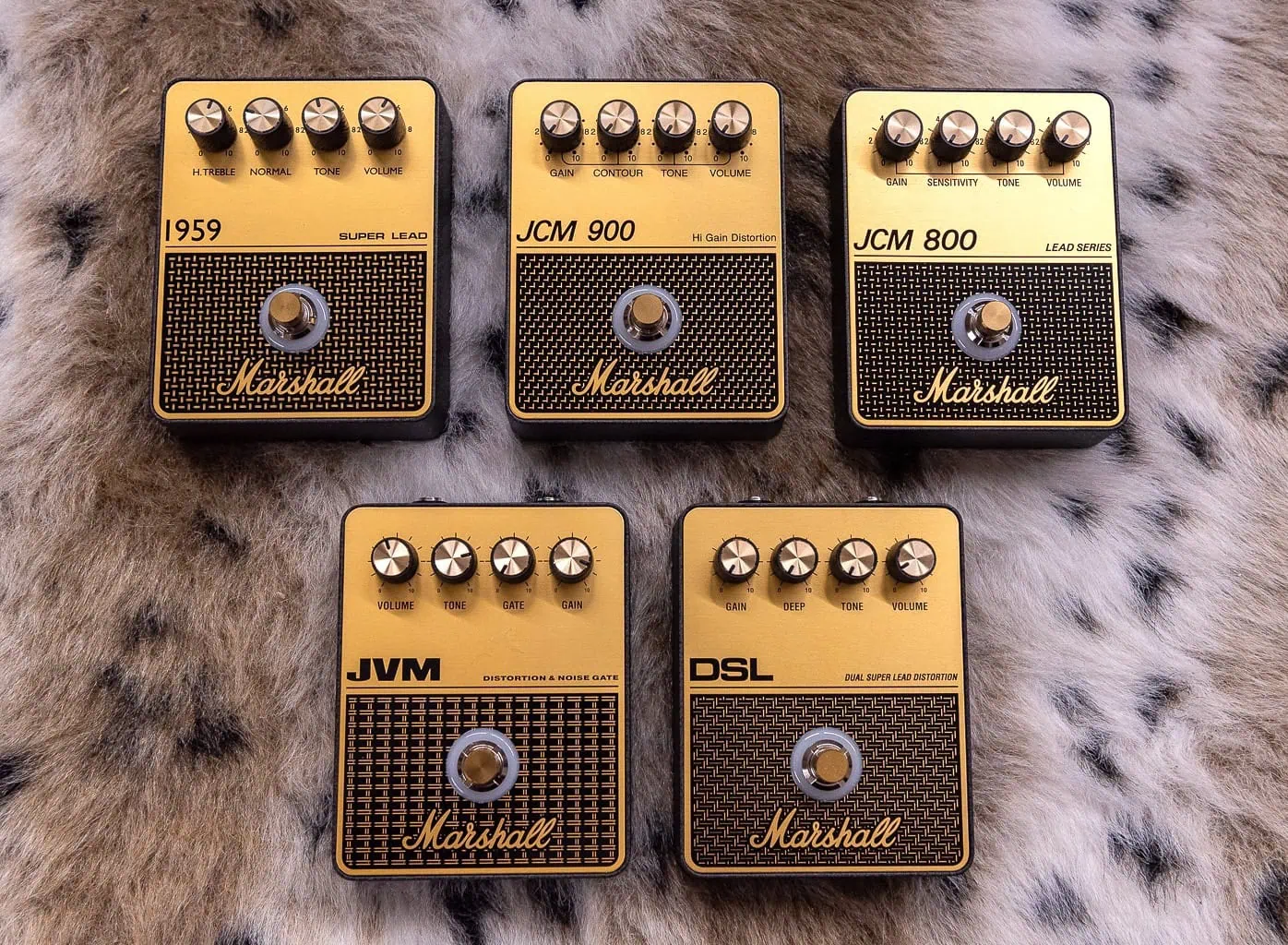
Finally, metal tones scream for humbuckers and some Bogner, Mesa-Boogie, or 5150 sounds. That’s how you get those thick, powerful, utterly distorted sounds.
As you just read, I named thousands of dollars in amps in just a couple of paragraphs. That’s exactly what IRs give me, the sounds I need for a small fraction of the price that amp collection would cost.
PRO TIP: I don’t go through my pedalboard to go into the IRs except if I need something like a Wah. There are enough resources in the software to create 99% of what I need. Going straight in allows me to set up fewer things and capture the emotion fresher.
Are They Good to Play Live?
Let me break this into two parts because I can see a good live application for IRs, but there’s another one in which they fall short.
I think they’re awesome for players who work with in-ear monitoring. If the source is good and the headphones are good, what you get is all the stellar qualities of a tube amp with none of the hassles. Well, that’s sound-wise at least. I mean, if you’re playing like that, you’re only hearing the amp mic’ed up, probably off the stage anyway.
Now, if you’re playing through the amp on stage, you can enjoy the tube tone in all its glory, and that includes the feel factor. Yes, there’s something about the response, the reaction, and the tone of a tube amp when you dig in or switch from pick to fingers that’s just not there. It might sound amazing, but it doesn’t feel right. Oh, and if you play with distortion, tube-driven feedback is nothing like the digital one.
So, in my experience, unless you’re on in-ears, tube amps are better to play live.
In my case, I play in a rock duo with a 1×12 tube amp and a 1×15 bass amp and no in-ears, so that’s where valves shine. That said, I have a solo project where I play with loops and in-ear monitors, and IRs changed my life for the better in that scenario. I could never get that level of clarity and glass-like clean tones with my tube amp.
Tube Amps, The Unbeatable Technology
I’ve been playing tube amps for 20+ years. I still remember that first move from cheap solid-state to the natural harmonics and the fatness of tubes. It’s addictive; I never want to lose that again.
But that’s not just me, tube amps remain best-sellers for every big brand. Let me tell you how I use them these days.
How I Use Tube Amps
For starters, I don’t think the best tube-driven guitar tones are only when the amp is cranked. On the contrary, I’ve found great tones at moderate volumes.
So, for live playing, I’ll find the amp’s sweet spot and then use my TS-9 to find a venue-friendly volume with the level knob and leave it on the entire show. I clean up the tone with the volume knob if needed.
The studio is a different environment for getting great tones. Tube amps have a natural, organic nature that changes the tone structure as you change volume, gain, and EQ settings. Yes, that means I move knobs a lot when sound-checking before pressing the record button.
In that regard, I set things up, place the mic in front of the speaker, and try to find the amp’s sweet spot for the tone I’m looking for. Once I find the tone with my ears, I adjust the mic position. In general, I use an SM57, but this same technique applies to most microphones.
The final step is hearing it in the control room. If it sounds as good as it does in the live room, then it’s time to hit record.
PRO TIP: This is one I learned the hard way: Please, use hearing protection when chasing tone in the live room. It makes a huge difference in the long run, and there are some great brands out there making filters that just attenuate sound and don’t kill the high end.
Unforeseeable Happy Little Accidents
Another thing that modelers can’t give you and tube amps can is happy little accidents. Let me tell you two stories, one’s mine and the other is borrowed.
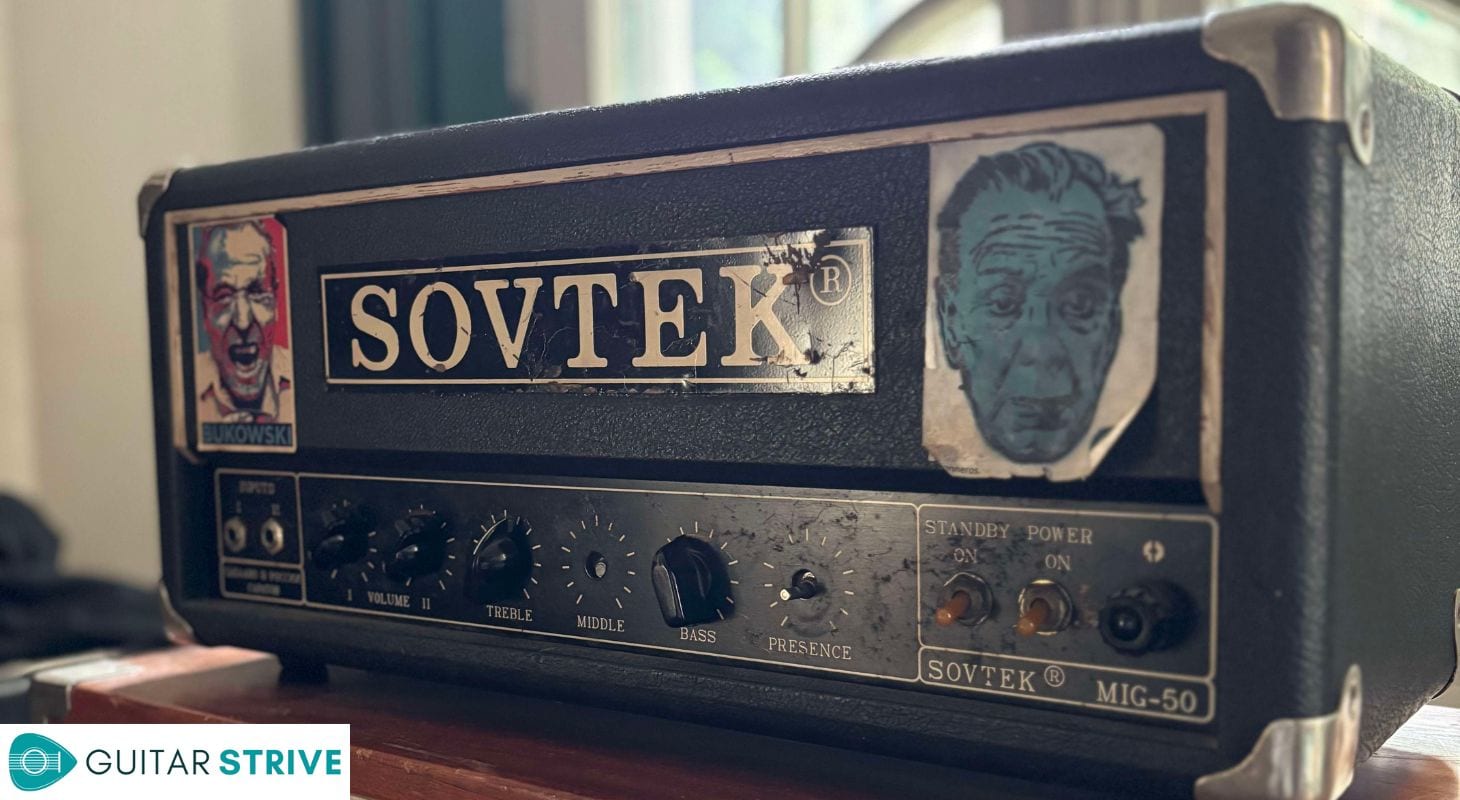
I went to make a record with a stoner band as a guitar doctor. The moment I pulled out the Sovtek MIG-50 (a Russian tube head, which you also saw at the featured image at the top) and fired it up, I learned one of the power tubes was dying, and the amp was going through this rattling, broken tone phase before finally dying.
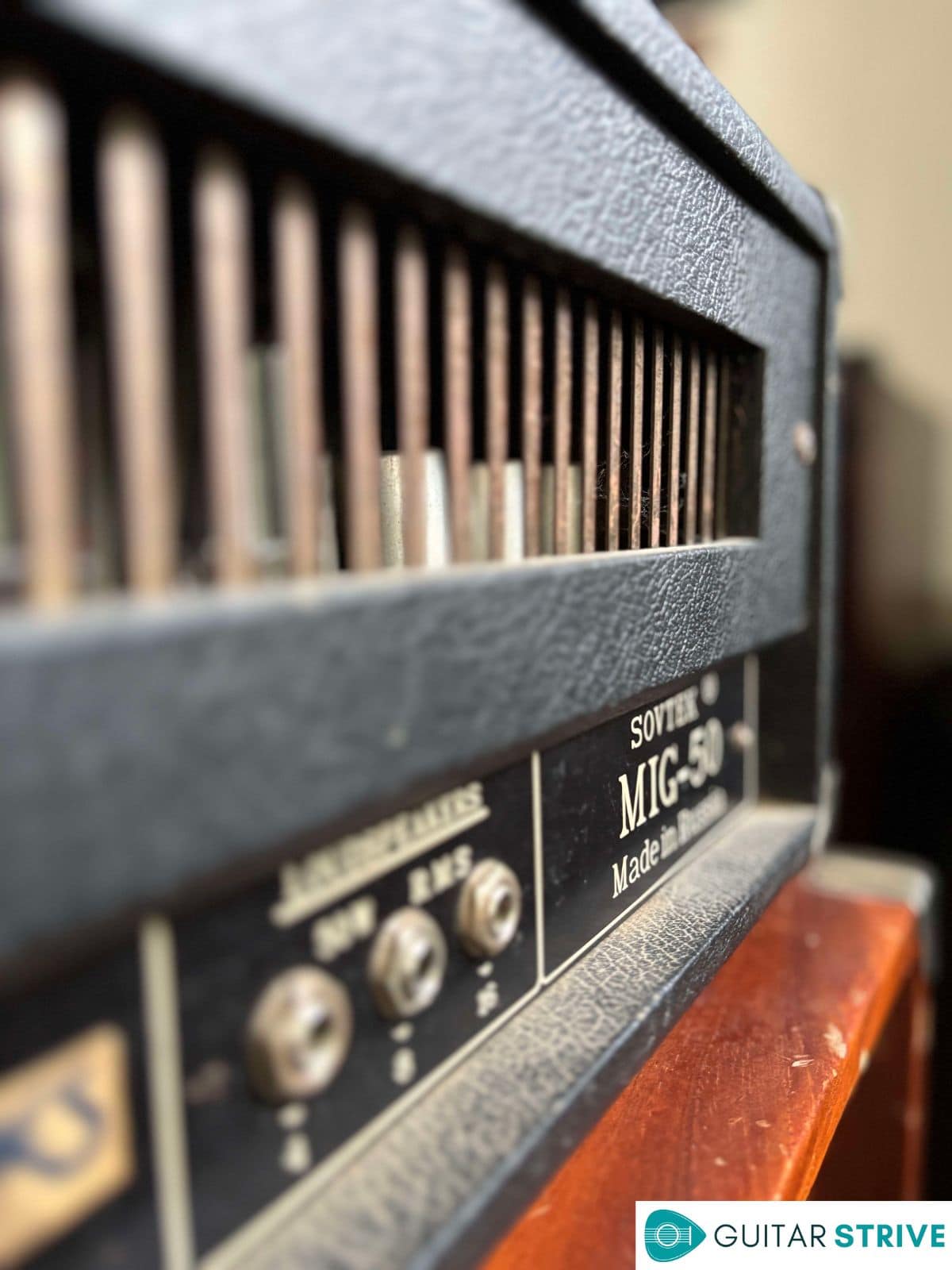
We recorded one of the band’s riffs through that amp, and it became the signature sound for the record. It sounded broken and unique, like nothing else out there.
The second story involves a legend, Mark Knopfler, and one of his band’s main hits: “Money for Nothing”. That iconic guitar riff was born from a happy accident. Someone knocked over the mic stand before recording the guitar, and nobody noticed. When they hit record, the sound was so nasal and weird, everybody jumped from their seats. It was an eureka moment.
That’s one thing you can’t do with modelers; everything is pre-programmed for you, and options are limited. Yes, they open a whole new universe of tones for beginners and grant access to a library of amps even if you’re broke, but don’t have the “knock the mic stand” or “dying power tube” options.
This is My Secret Weapon as a Guitar Doctor
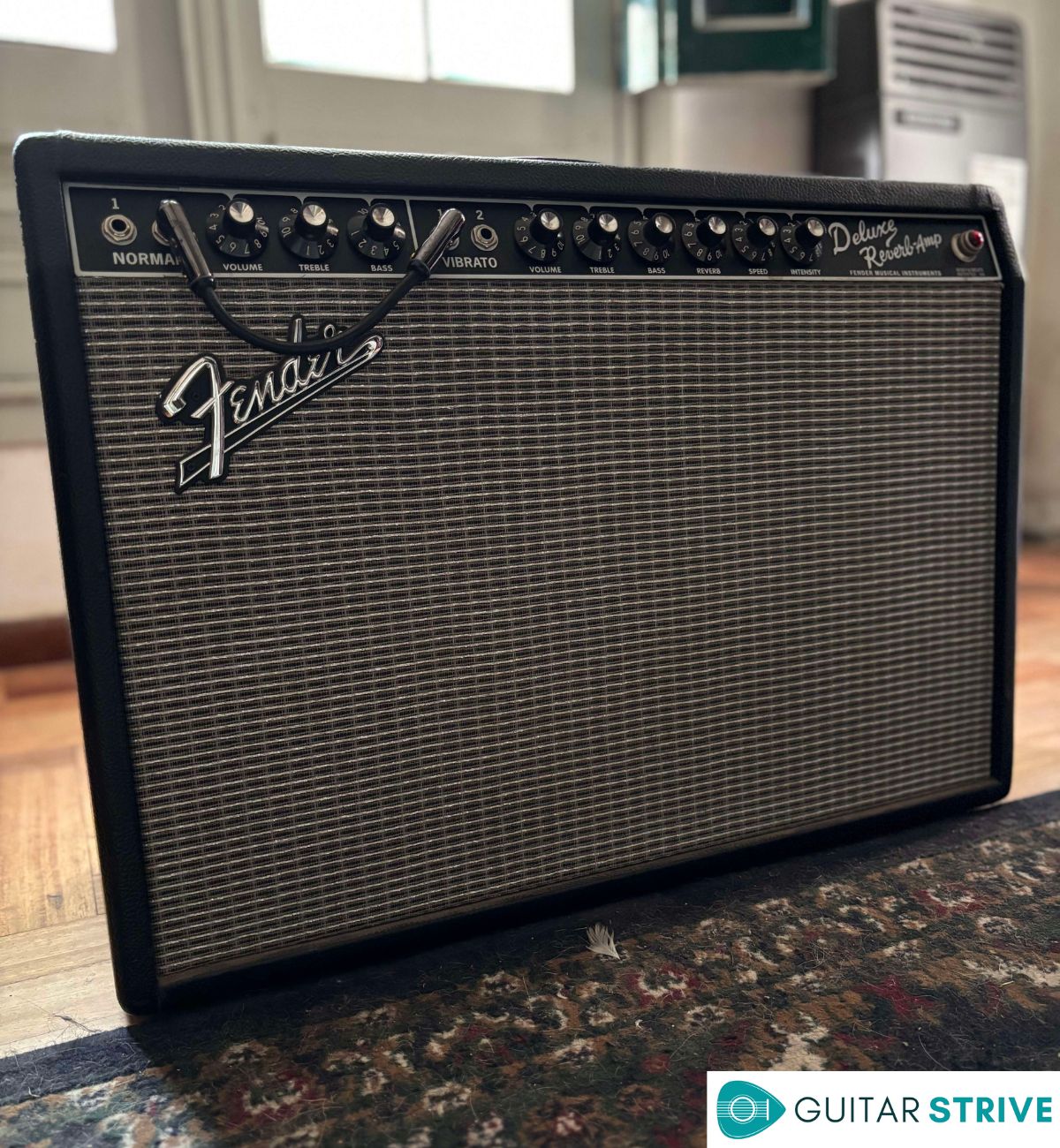
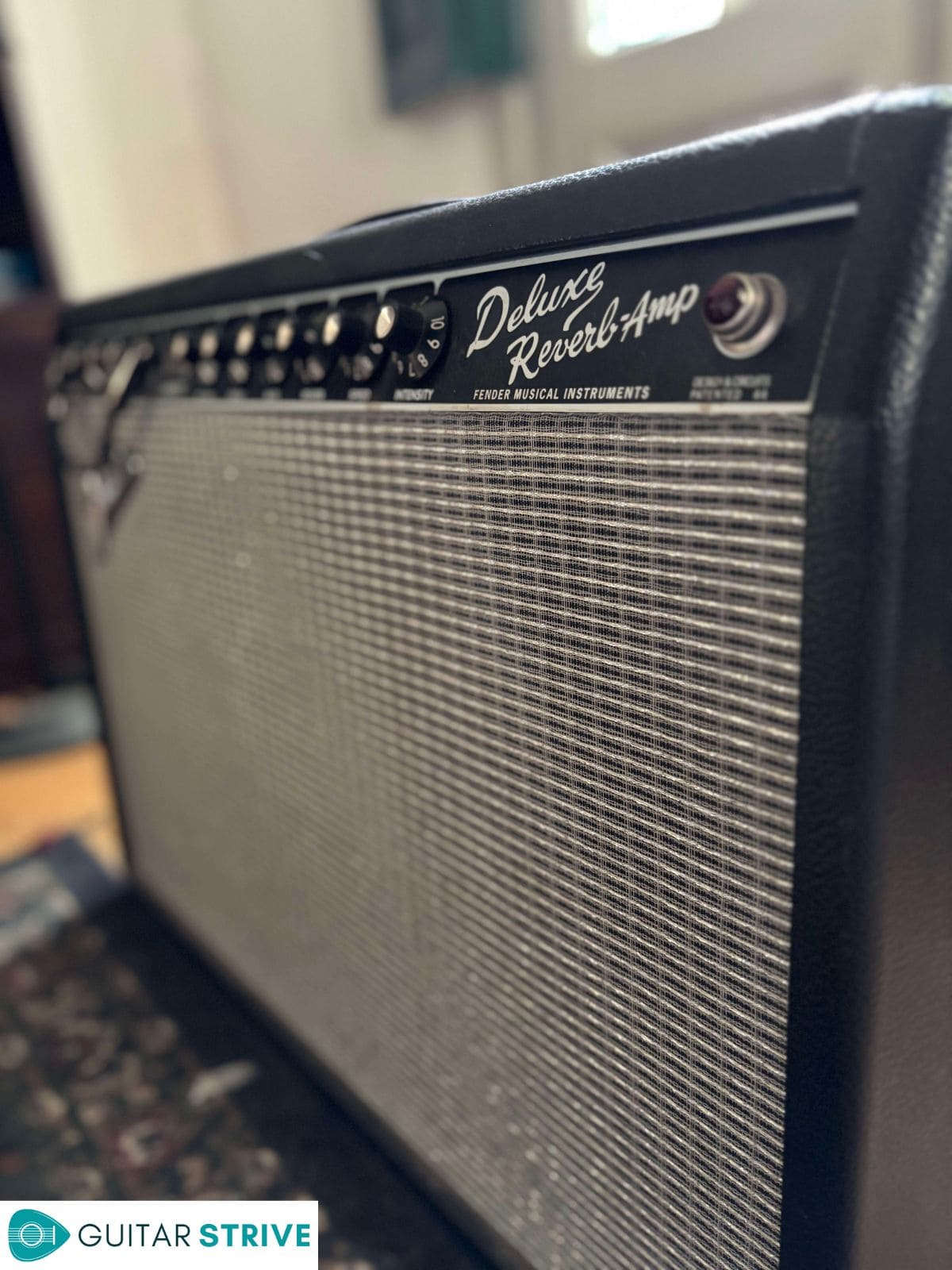
Before I finish this piece, let me tell you that the Fender Deluxe Reverb ’65 RI has become my secret weapon.
- Volume at 2/3 – The sound is perfect to get twang, glass-like cleans, and some edge with single coils.
- Volume at 4/6 – Things start to get raunchy and gainy. This setting is perfect for minihumbuckers, P-90s, and PAF-style humbuckers. Think Lenny Kravitz pushed tone.
- Volume above 7 – This is the way to unleash the true beast. Plug a humbucker-equipped guitar and let it rip. The tone is thick, creamy, and full of textures. If the treble annoys you, just crank the bass.
The (Fat and Powerful) Bottom-End
I’ve gone full circle with guitar amps and modelers. I thought for a year or two that I could replace tubes entirely and have the same experience with a Quad Cortex. It turned out that I just can’t. The feel factor isn’t there, and the organic nature of the amp gives you amazing dynamics that cover vast sonic ground.
If used with in-ears, then I would say IRs are amazing. For playing with the amp on stage, though, stick to valves.
That’s my humble opinion after playing for decades; I hope it helps.
Happy playing!
